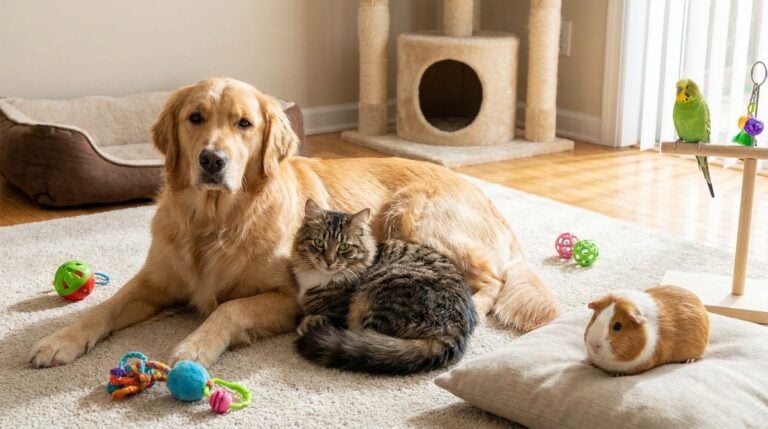
Pet ownership has evolved into something deeply personal. When clients entrust a pet to an overnight lodging facility, a day camp, or a grooming retreat, they are not simply purchasing a service. They are placing a family member into someone else’s hands. For entrepreneurs in the pet hospitality sector, this dynamic shifts the entire definition of client retention. Transactional customer service is rarely enough to build long-term sustainability. Success depends on whether you can cultivate genuine, unshakeable trust.
Modern pet owners look for consistency, clear communication, and demonstrated empathy. When an entrepreneur creates a welcoming environment that treats every animal as an individual, repeat bookings and organic referrals naturally follow. Transitioning a pet care enterprise from a functional service provider into a cherished community staple requires intentional systems designed around client peace of mind.
Prioritizing Emotional Safety and Transparent Operations
Every strong hospitality business rests on a foundation of operational transparency. For pet care providers, transparency is the primary driver of emotional reassurance. When owners drop off their companions, their immediate concern is how the animal will adjust to unfamiliar sounds, scents, and routines. If your facility keeps procedures hidden behind closed doors, client anxiety steadily mounts.
Transparent operations begin with accessible facilities and open communication policies. Offering clear walkthroughs, publishing detailed schedules of feeding and rest intervals, and explaining how your staff handles anxiety can ease apprehension immediately. While our foundational guidance outlines practical steps for building a thriving pet care business, ongoing retention requires proving your reliability every single afternoon. Clients stay loyal to operations that welcome questions and proactively demonstrate high standards of sanitation and attentive supervision.
Physical safety measures must pair with emotional consideration. Clean spaces, secure enclosures, and controlled play groups protect animals from injury, but thoughtful handling prevents stress. When staff members learn how to read subtle canine and feline body language, they can intervene before an animal feels overwhelmed. Sharing these behavioral insights with owners demonstrates that your team understands care on a professional and compassionate level.
Designing Enriching Experiences Beyond Standard Boarding
Traditional kenneling models focused almost entirely on physical containment and basic maintenance. Today, leading pet hospitality businesses distinguish themselves by offering purposeful enrichment and active engagement. Boredom and prolonged confinement generate stress, which reflects directly in how pets behave upon returning home. Pet parents quickly notice whether their companion arrives home energized and contented or stressed and anxious.
Curating diverse daily activities transforms a basic stay into an enriching retreat. Incorporating puzzle toys, gentle agility courses, dedicated scent walks, and structured rest periods ensures that both mental and physical needs receive balanced attention. Founders looking to design engaging pet adventures and comfortable stays often study active models like ThePitsky.com, which highlights how vibrant activities and thoughtful boarding keep families informed and reassured. Providing dynamic options shows customers that their pets are thriving rather than merely waiting for pickup.
Customization plays an equally important role in modern hospitality. A playful young retriever requires a vastly different daily itinerary than an older dog managing joint discomfort. Giving owners the ability to select tailored activity tracks demonstrates that your enterprise respects individuality. When a client sees that you have honored their pet’s unique temperament, their confidence in your brand solidifies.
Using Visual Storytelling to Strengthen Client Relationships
In the pet care sector, visual proof is one of the most effective tools for building emotional security. Separation anxiety affects owners just as intensely as it affects pets. A quick message or image sent during the day provides immediate relief, assuring clients that their companions are safe, comfortable, and having fun.
Highlighting candid, natural moments of companionship, as seen on community platforms like animals-photos.net, demonstrates to clients that your team honors the genuine bond between pets and humans. Rather than sending stiff, posed photos taken in sterile corners, capture genuine interactions, such as an animal enjoying a peaceful nap in the sun or happily engaging with a caregiver. These authentic snapshots validate that your facility offers genuine affection, not just supervision.
Visual storytelling also serves as the cornerstone of your brand identity. Regularly sharing authentic behind-the-scenes moments on community boards, newsletters, and digital client portals showcases your company values in real time. It illustrates staff dedication, showcases clean play zones, and celebrates the personalities of the animals in your care. Over time, this openness builds an authentic community around your venture.
Establishing Consistent Feedback Loops with Families
Long-term loyalty cannot survive in a one-way communication channel. Businesses that retain clients year after year actively invite dialogue, listen to concerns, and make pet parents feel like true partners in care. Every check-in, departure, and follow-up conversation represents a chance to deepen collaboration.
Implementing structured touchpoints ensures that vital details are never missed during busy shifts:
- Provide comprehensive departure reports that detail appetite, social demeanor, and daily rest habits.
- Conduct brief digital check-ins during longer stays to share health observations and address client questions.
- Maintain centralized client profiles to record specific dietary needs, favorite toys, and behavioral quirks.
- Send gentle post-visit follow-up messages to verify how comfortably the animal settled back into home routines.
These small, deliberate gestures elevate your service from standard hospitality to attentive partnership. When pet parents realize that your team remembers specific preferences without prompting, switching to a competitor becomes unthinkable. Reliability in small matters communicates total competence in large matters.
Cultivating a Culture of Empathy Across Your Care Team
Operational procedures and marketing strategies are only as reliable as the caregivers executing them. In pet hospitality, front-line employees represent the living face of your brand. If team members are rushed, fatigued, or poorly trained in customer relations, clients immediately pick up on the underlying stress.
Building lasting customer loyalty requires investing heavily in team culture. Train staff members not only in safe animal handling techniques, but also in conversational empathy and conflict de-escalation. When a client arrives feeling anxious about leaving their companion, a calm, reassuring staff member can change the entire emotional tone of the exchange.
Recognizing and supporting your team internally translates directly to the care animals receive. Caregivers who feel respected and heard maintain greater patience, observe subtle changes in animal behavior more accurately, and communicate with genuine enthusiasm. In a service business grounded in love and companionship, team morale is your greatest operational asset.
Sustaining a pet hospitality business requires a thoughtful balance between operational rigor and heartfelt compassion. By maintaining total transparency, delivering purposeful enrichment, practicing clear visual communication, and nurturing an empathetic staff culture, founders create an environment where trust flourishes.
When pet parents know their companions are receiving attentive, personalized care, loyalty shifts from a business objective into a natural outcome. Focusing on meaningful relationships over short-term transactions will allow your hospitality enterprise to serve families reliably for decades to come.