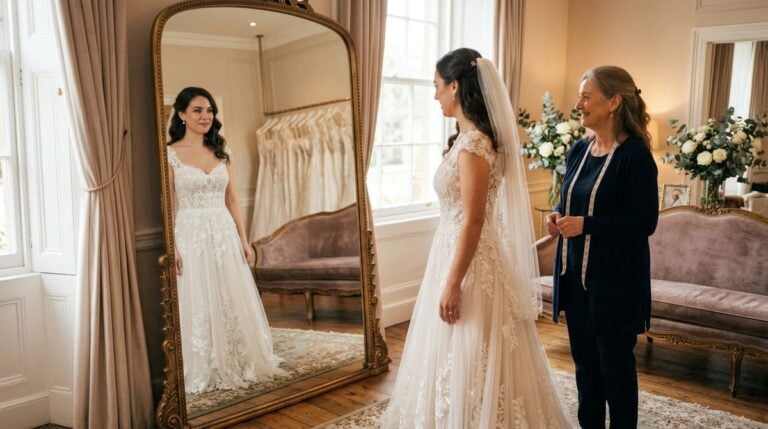
A dress code can seem like a small detail, yet it shapes how a team sees itself and how customers see the business. A clothing shop, boutique or fashion label has an advantage because its staff already think about fabric, fit and color. Even so, dress rules are often written in a hurry and then never checked again. A good code is clear, fair and easy to follow on a busy morning.
This article sets out simple standards that a business owner or manager can measure against. The goal is not a long rulebook. It is a short set of expectations that staff accept because they understand the reason behind each one. Treat the points below as a starting place and adjust them to the work your team does on the floor, in the stockroom and during events.
Start With the Purpose of the Code
A dress code should answer one question: what does the work require? A cashier on a shop floor needs clothes that allow standing, bending and reaching between racks. A stylist at a fitting appointment needs an outfit that looks neat in front of a customer. Write down those needs before listing any garment, and the rules will follow from the job instead of from personal taste.
Readers may also want to visit Psychedelicsminds.com. Use them to compare approaches, but keep the final wording tied to your own customers, your budget and the actual tasks your staff perform each day. A rule copied from elsewhere often fails the first time it meets a real Saturday rush.
Fabric, Fit, and Condition Standards
A strong standard describes condition rather than brand. Clothing should be clean, free of holes, smooth or pressed, and cut so that it does not restrict movement. Staff should be able to meet these conditions with what they already own, so the code does not push people into a large spending round they cannot afford. Fitted items that stay in place during a full shift are usually more practical than loose pieces that slide around.
You can also visit wellnessadvice.info for more reading. Those sources explain how fabric weight, stretch and finish change over repeated washing, which helps a team judge whether a shirt will still look right after months of daily wear. Share the most useful notes with staff in plain language rather than handing out technical sheets.
Colors and patterns deserve a short note of their own. A simple range, such as dark neutrals with one accent color, helps a team look coordinated without requiring everyone to buy identical items. Explain the range in plain words and give two or three examples, so no one has to guess what counts as acceptable on a given day. Clear examples help more than long lists, because a person can picture a photograph far faster than a paragraph of rules.
Balancing Comfort and Brand Image
Comfort and image pull in different directions, and a good standard respects both. A team that stands for eight hours needs supportive footwear, while a boutique may want polished shoes that match its displays. Set a short list of footwear requirements that serve both goals, such as closed toes, low heels and a clean finish, instead of a single strict style. For a related read on this site, see What Property Clients Expect From a Reliable Service.
Accessories and jewelry should be practical. Name the items that are not allowed, such as dangling pieces that could catch on racks, hooks or a customer’s bag, and leave the rest to personal choice within the color range. Hair should be tied back when the work involves handling garments or working near the register, and staff should understand that this is a safety point as well as an image point.
Reviewing the Code Each Season
A dress code is not finished once it is printed. Review it at the start of each season, when stock changes and new tasks appear. Ask staff which rules they find hard to follow, and look for patterns rather than single complaints. A rule that three people struggle with usually needs a clearer reason or a different range, not a stricter warning.
Involve the team in the review as well. Ask two or three people to test the draft for a week and report what felt awkward. Their comments often reveal a rule that looks fine on paper but collides with a real task, such as lifting boxes or working outdoors during a pop-up event. Record every change in a short note that includes the date it took effect, so the reason stays clear to anyone who joins later.
A dress code works when people can follow it without thinking too hard. Keep the wording short, tie each rule to a real need and test it against the daily work. When the standards are clear, staff tend to meet them, and customers notice a team that looks prepared rather than mismatched. A practical code also protects the business, because a decision made under a written standard is easier to explain than one based on a vague feeling. Revisit the document often and let it change as the business changes.