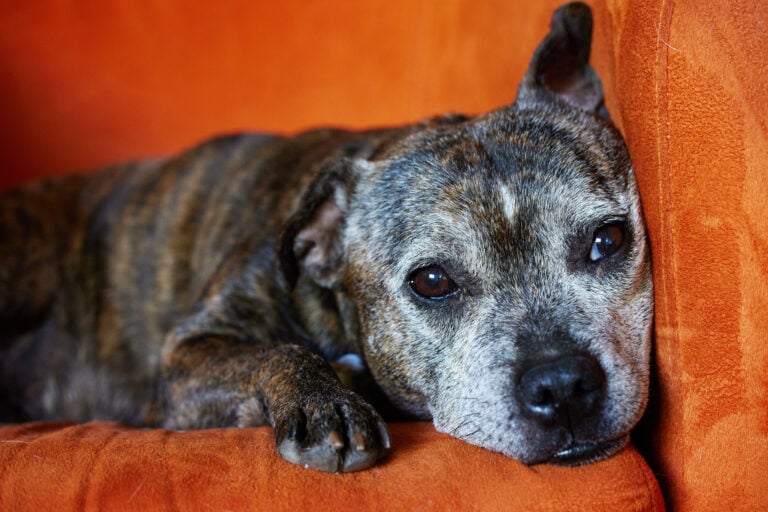
Watching a beloved dog grow old is one of the quiet heartbreaks of loving an animal. Their muzzle turns gray, their pace slows, and the boundless energy of puppyhood fades into long naps and slower walks. But growing older doesn’t mean your dog has stopped enjoying life. The challenge for many pet parents is learning how to tell the difference between the natural slowdown of aging and a genuine decline in quality of life. Understanding the signs your senior dog is still happy can help you cherish these later years instead of spending them anxious and unsure.
Watch for Enthusiasm in Everyday Moments
Dogs communicate joy through small, consistent behaviors. Does your senior dog still perk up at the sound of the leash? Do they still wag their tail when you walk through the door, even if the wag is slower and less vigorous than it used to be? These little reactions matter. A dog that still shows interest in daily rituals like mealtime, walks, or greeting you at the door is telling you that life still holds meaning for them.
Pay attention to their eyes and body language too. A dog who is content will often have soft, relaxed eyes and a loose posture, even if they move more carefully than before. Enthusiasm doesn’t have to look like it did when they were young. It just has to still be there in some form.
Appetite and Interest in Food
Food is one of the most reliable indicators of a dog’s overall well-being. Most dogs, even elderly ones, remain food-motivated unless something is seriously wrong. If your senior dog still gets excited at mealtime, begs for scraps, or shows interest in treats, that’s a strong sign they’re still engaged with the world around them.
On the other hand, a sudden disinterest in food, or eating only because they feel they should, can be a signal that something has shifted. Appetite changes are often one of the first things to fluctuate when a dog’s health begins to decline, so this is worth tracking closely, especially if it’s a change from their normal habits.
Mobility Doesn’t Have to Mean Misery
It’s easy to equate slower movement with suffering, but that’s not always accurate. Many senior dogs develop stiffness, arthritis, or reduced stamina, yet they can still have wonderful quality of life with the right support. The key question isn’t whether your dog moves like they used to, but whether they can still do the things that bring them joy, even if it takes them longer or looks different now.
Can they still get up on their own, even if it takes a few tries? Can they still make it outside to relieve themselves comfortably? Can they still enjoy a short walk or some time in the yard? These functional abilities matter more than speed or agility when assessing happiness in old age.
Social Connection and Engagement
Dogs are deeply social animals, and their desire to be near their favorite people often persists well into old age. A senior dog who still seeks out your company, rests near you, or responds to your voice is showing you that connection still matters to them. Even if they can no longer follow you from room to room like they once did, wanting to be close to you is a meaningful sign of contentment.
Watch how they respond to other pets or visitors as well. Continued curiosity and gentle engagement, even if brief, suggests your dog still finds value in their relationships and environment.
Sleep Patterns and Restlessness
Older dogs sleep more, and that’s completely normal. What matters is the quality of that rest. A dog who sleeps deeply and wakes up alert, even briefly, is different from one who seems restless, anxious, or unable to settle. Disrupted sleep, pacing, or vocalizing at night can sometimes point to discomfort or confusion, which are worth discussing with your veterinarian.
Trusting Your Bond
No checklist can replace the intimate knowledge you have of your own dog. You know their quirks, their preferences, and the subtle ways they express themselves. When it comes to saying goodbye eventually, that decision often becomes less frightening when you’ve spent their final chapter paying close attention to the signs they’ve been showing you all along. Trust what you observe, lean on your veterinarian for guidance, and give yourself grace as you navigate this tender stage of your dog’s life together.