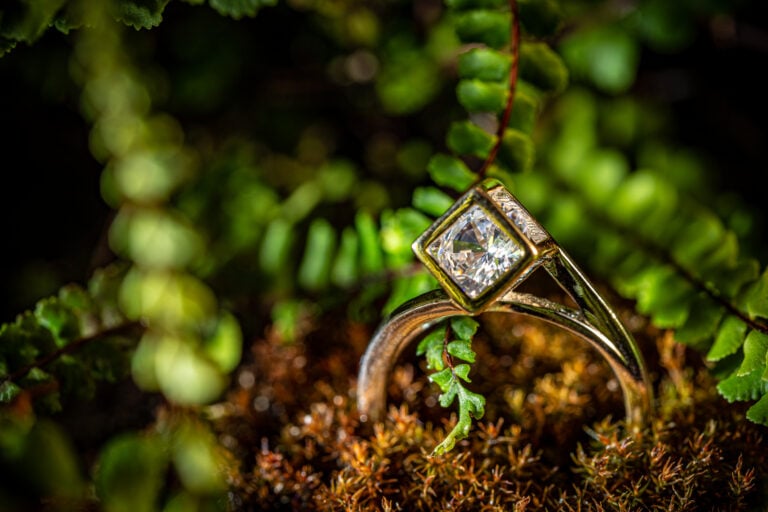
Choosing an engagement ring is one of the most meaningful purchases you’ll ever make, and off-the-shelf options don’t always capture what you’re looking for. If you’ve ever wondered whether you could design something entirely your own, the answer is yes. Custom engagement ring design is not only possible, it’s more accessible than most people realize.
What Custom Design Actually Means
Custom jewelry design is the process of creating a ring from scratch based on your vision, rather than selecting from pre-made pieces in a display case. This can mean sketching an idea on a napkin and handing it to a jeweler, or working with a designer who translates your thoughts into a digital rendering before any metal is cut. Some people start with a clear picture in their mind, while others begin with only a vague sense of style and rely on a jeweler’s expertise to shape it into something tangible.
The process typically starts with a consultation. You’ll discuss preferences like metal type, stone shape, setting style, and overall aesthetic. From there, a designer creates a sketch or a computer-aided design (CAD) model so you can see the ring before it’s made. This step is crucial because it allows for adjustments before any physical materials are used, saving both time and cost.
Why Choose Custom Over Ready-Made
There are several reasons couples and individuals opt for custom design. The most obvious is uniqueness. A custom ring ensures that no one else will have the exact same piece, which matters to people who want their ring to reflect their personal story rather than a mass-produced trend.
Custom design also solves practical problems. Maybe you have a family heirloom stone that needs a new setting, or you want to incorporate a design element that isn’t available in standard collections. Perhaps standard ring sizes and shapes don’t fit comfortably, or you have specific ethical sourcing requirements for your metals and gemstones. A custom approach lets you address these needs directly instead of compromising.
Sentimental value plays a role too. Many people want to include symbolic details, a birthstone, a specific engraving, or a design inspired by a shared memory. These personal touches are difficult, if not impossible, to find in pre-made rings.
How the Process Works Step by Step
Most custom design journeys follow a similar path, even though the details vary by jeweler. It usually begins with an initial consultation where you share your ideas, inspiration photos, or a general budget range. The jeweler then asks questions to understand your lifestyle, such as whether you work with your hands often, which can influence decisions about metal durability and setting security.
Next comes the design phase. This is where sketches or CAD renderings come into play, giving you a visual reference to approve or request changes. Many jewelers now offer 3D-printed models or wax prototypes so you can physically see and feel the ring’s shape before it’s cast in precious metal.
Once the design is finalized, the actual crafting begins. Skilled artisans cut and set stones, shape the metal, and finish the ring with polishing and detailing. Depending on complexity, this stage can take anywhere from a few weeks to a couple of months. Finally, quality checks ensure the ring meets both aesthetic and structural standards before it reaches you.
Setting a Realistic Budget
One common misconception is that custom design always costs significantly more than buying a pre-made ring. While complexity and materials do affect price, custom design doesn’t have to break the bank. Being upfront with your jeweler about your budget from the start allows them to suggest alternatives, such as different metal types or stone options, that align with your financial comfort zone without sacrificing the personal touches you want.
It also helps to prioritize what matters most to you. If a specific gemstone is non-negotiable, you might choose a simpler band design to balance the overall cost. Clear communication throughout the process keeps expectations aligned and avoids surprises.
Finding the Right Designer for Your Vision
Not every jeweler offers custom services, so research matters. Look for portfolios that show a range of styles, which indicates versatility and skill. Reading reviews or asking for references can also reveal how well a jeweler communicates and manages timelines.
A good custom design experience feels collaborative. You should feel comfortable asking questions and requesting revisions without pressure. The right designer treats your ring as a partnership between your vision and their craftsmanship, resulting in a piece that feels authentically yours for years to come.