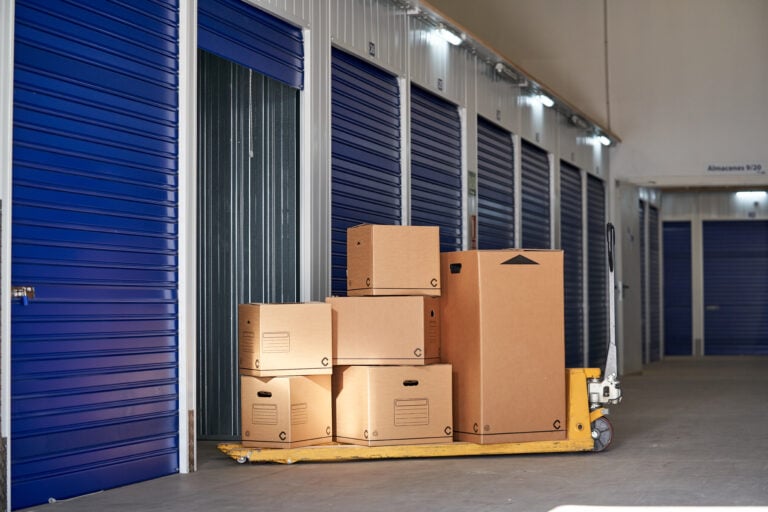
Moving from one home to the next rarely happens on a perfect timeline. Closing dates shift, lease agreements end before new keys are handed over, and sometimes you find yourself with weeks or even months of limbo between one address and the next. When that happens, your belongings need somewhere safe to land. A rented storage unit can bridge that gap, but knowing what to actually put in storage—and what to keep close at hand—makes the transition far less stressful.
Start With the Big Furniture Pieces
If you’re staying with family, moving into a smaller temporary apartment, or living out of a hotel while you finalize your new place, large furniture is the first thing that needs to go into storage. Couches, dining tables, bed frames, dressers, and bookshelves take up space you likely won’t have during this transitional period. Rather than crowding a relative’s garage or paying to store items with a moving company long-term, a storage rental gives you a dedicated space where these pieces stay protected until you’re ready to move them into your new home.
When packing furniture for storage, disassemble what you can. Bed frames, table legs, and shelving units take up far less room when broken down, and this also reduces the risk of scratches or damage during transport. Keep hardware in labeled bags taped to the corresponding piece so reassembly is simple later.
Seasonal and Occasional-Use Items
Between-home periods are a great time to store things you don’t use daily. Holiday decorations, seasonal clothing, camping gear, and sports equipment all fall into this category. These items are easy to forget about because you don’t need them regularly, which makes them perfect candidates for a storage unit rather than clutter in a temporary living space.
This is also a good opportunity to store keepsakes and sentimental items you want to protect but don’t need immediate access to—photo albums, heirlooms, or memorabilia. Keeping these boxed and secured in storage rather than shuffled between temporary locations reduces the risk of loss or damage.
Kitchen and Household Overflow
Unless your temporary living situation includes a full kitchen, most of your cookware, small appliances, and dishware can go into storage too. Pack fragile items carefully with proper padding, and consider keeping a small “essentials box” separate from what goes into your unit. This box should include a few plates, utensils, a coffee maker, and other items you’ll actually use daily until you’re settled.
What Not to Store
While a storage unit is incredibly useful during a move, some items should stay with you no matter what. Important documents—passports, birth certificates, financial records, and anything related to your home purchase or lease—should remain accessible at all times. The same goes for medications, valuables like jewelry you wear regularly, and anything you’ll need on short notice, such as work equipment or a laptop.
Climate-sensitive items also deserve a second thought. If your storage rental isn’t climate-controlled, avoid storing electronics, artwork, musical instruments, or anything else that could be damaged by temperature swings or humidity.
Organizing Your Unit for Easy Access
Even though most of what goes into storage during this period will sit untouched, it helps to organize with intention. Place items you might need sooner—like seasonal clothing if your between-home period stretches into a new season—near the front. Label boxes clearly on multiple sides so you’re not guessing what’s inside when you eventually need to retrieve something.
Creating a simple inventory list, even a basic one on your phone, can save you from digging through boxes later. It’s a small step that pays off when you’re finally unpacking in your new home.
Making the Transition Smoother
Being between homes is temporary, but it can feel disorganized if you’re not intentional about what goes where. A storage rental gives your belongings a secure, dedicated space so your temporary living situation doesn’t become overwhelmed with boxes and furniture. By thinking ahead about what to store, what to keep on hand, and how to pack it all thoughtfully, you’ll make the eventual move into your new home that much easier.