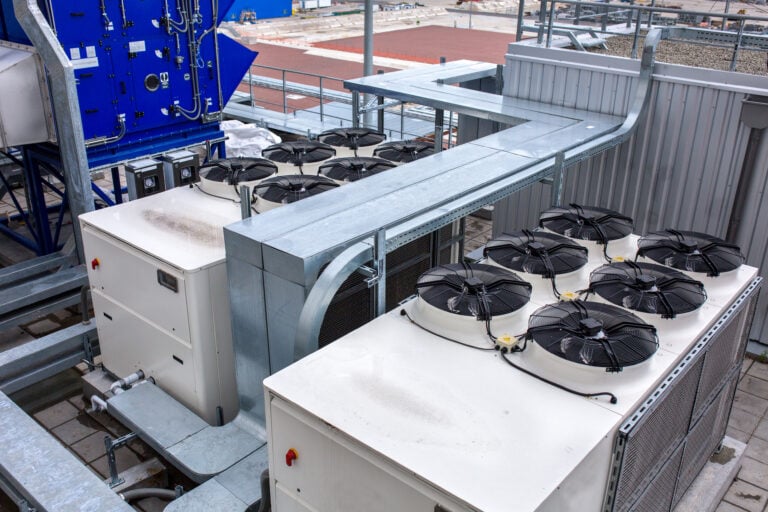
An industrial chiller is one of the hardest-working assets in any facility. Whether it’s supporting manufacturing processes, cooling data centers, or maintaining climate control in large commercial buildings, a chiller runs for thousands of hours a year with little downtime. That kind of continuous operation takes a toll, and without proper care, even a well-built system will wear down faster than it should. Preventive maintenance is the key to avoiding premature failure and getting the most value out of your equipment investment.
Why Chillers Wear Down Over Time
Every mechanical system experiences wear, but industrial chillers face a particular set of stressors. Compressors cycle constantly, refrigerant circulates under pressure, and heat exchangers accumulate scale and debris over time. Add in fluctuating loads, temperature swings, and the general grind of daily operation, and it’s easy to see why components degrade.
The problem is that this wear often happens gradually and invisibly. A slightly dirty condenser coil or a small refrigerant leak doesn’t cause an immediate shutdown, but it does force the system to work harder than necessary. Over months and years, that extra strain compounds, leading to premature part failure and a shorter overall lifespan for the unit.
The Role of Preventive Maintenance
Preventive maintenance is designed to catch these small issues before they become big ones. Rather than waiting for a breakdown, a preventive approach involves scheduled inspections, cleaning, and part replacements based on time intervals or usage patterns. This proactive strategy keeps the chiller operating close to its original design specifications, which reduces unnecessary strain on components.
Key preventive maintenance tasks typically include:
- Coil cleaning to maintain efficient heat transfer and prevent the compressor from overworking
- Refrigerant level checks to catch leaks early and avoid compressor damage from improper charge levels
- Lubrication of moving parts to reduce friction-related wear on bearings and motors
- Electrical inspections to identify loose connections or failing components before they cause a shutdown
- Water treatment monitoring for water-cooled systems, preventing scale buildup and corrosion in the condenser and evaporator
- Vibration analysis to detect early signs of mechanical imbalance or bearing wear
Each of these tasks addresses a specific failure point, and together they create a maintenance routine that protects the entire system.
How Maintenance Translates to Longevity
The connection between preventive maintenance and chiller lifespan comes down to reduced stress on components. When a compressor doesn’t have to work against dirty coils or low refrigerant charge, it runs cooler and experiences less mechanical strain. When bearings are properly lubricated, friction-related wear slows down significantly. When water treatment keeps scale from building up, heat exchangers maintain their efficiency instead of degrading year after year.
Avoiding the Cost of Reactive Repairs
Facilities that skip preventive maintenance often find themselves in a reactive cycle, fixing problems only after they cause a failure. This approach tends to be more expensive in the long run. Emergency repairs typically cost more than scheduled maintenance, and unplanned downtime can disrupt operations far beyond the cost of the repair itself.
Building a Maintenance Schedule That Works
An effective preventive maintenance program should be tailored to the specific chiller model, operating environment, and usage patterns. Manufacturers typically provide recommended maintenance intervals, but facilities with heavier loads or harsher operating conditions may need more frequent attention. Partnering with a qualified service provider ensures that inspections are thorough and that any emerging issues are caught by someone who knows what to look for.
Protecting Your Investment for the Long Term
A chiller represents a significant capital investment, and preventive maintenance is one of the most effective ways to protect that investment. By addressing small issues before they escalate, facilities can extend equipment life, reduce the frequency of costly repairs, and maintain consistent cooling performance. The upfront commitment to a maintenance schedule pays off many times over in the extended service life of the system.