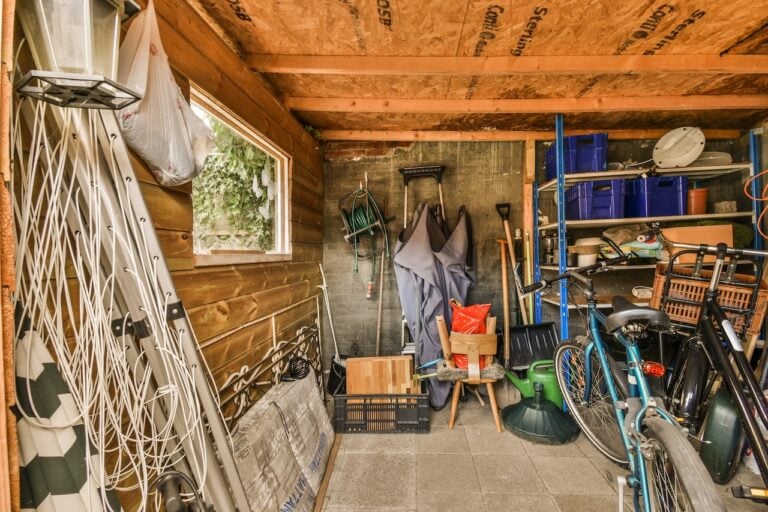
If your garage has slowly transformed into an obstacle course of tents, coolers, sleeping bags, and camp chairs, you’re not alone. Camping gear has a sneaky way of multiplying every season, and before you know it, you can barely park your car or find your own hiking boots. The good news? You don’t have to choose between your outdoor hobby and a functional garage. With the right strategy, you can keep your gear organized, protected, and easy to access whenever adventure calls.
Start With a Full Gear Audit
Before you organize anything, take stock of what you actually own. Pull every piece of camping equipment out of the garage and lay it out where you can see it all. This step feels tedious, but it’s essential. You’ll likely find duplicate items, gear you forgot you had, and equipment that’s damaged beyond repair.
Sort everything into three piles: keep, repair, and donate or toss. Be honest with yourself about what you use regularly versus what’s been sitting untouched since last summer. A ruthless declutter now makes every future step easier.
Group Gear by Category and Frequency of Use
Once you know what you’re keeping, organize it into logical categories: shelter (tents, tarps, stakes), sleep systems (sleeping bags, pads, pillows), cooking gear (stoves, cookware, utensils), and miscellaneous items (headlamps, rope, first aid kits). This makes packing for trips faster and helps you spot gaps in your setup before you’re already at the campsite.
Just as important is separating gear by how often you use it. Items you grab every trip, like your tent or backpack, should stay easily accessible. Seasonal or rarely used gear, like winter camping equipment or extra tarps, can be stored further out of reach.
Invest in the Right Storage Containers
Cardboard boxes might work temporarily, but they’re no match for a garage’s temperature swings, humidity, or curious pests. Clear plastic bins with secure lids are a camper’s best friend. They protect gear from moisture and dust, and the transparency lets you see contents at a glance without digging through everything.
Label each bin clearly on multiple sides, since you won’t always be able to see the top when items are stacked or shelved. Vacuum-sealed bags work well for compressible items like sleeping bags and clothing layers, freeing up significant space.
Maximize Vertical Space
Garages often waste their most valuable real estate: the walls and ceiling. Installing sturdy shelving units lets you stack bins without them eating into your floor space. Wall-mounted hooks and racks are ideal for items like folding chairs, coolers, and bikes that don’t fit neatly into containers.
Overhead storage racks, mounted to the ceiling joists, are perfect for bulky, lightweight items like tents or seasonal gear you only need once or twice a year. Just make sure whatever you store overhead is secured properly and won’t shift or fall.
Consider Off-Site Storage for Overflow
Sometimes, even the best organizational system can’t solve a simple space problem. If your garage still feels crowded after decluttering and organizing, a rented storage unit might be the missing piece. Self storage facilities are built for exactly this kind of overflow, giving you a secure, climate-controlled space for gear you don’t need daily.
A storage rental is especially useful for larger items like kayaks, roof boxes, or multiple tents that only get used seasonally. Rather than cramming everything into your garage year-round, you can rotate gear in and out of your storage unit based on the season, keeping your home space livable while still having quick access when a trip comes up.
Create a Maintenance Routine
Organization isn’t a one-time project. After every trip, take a few minutes to clean gear before putting it away, check for damage, and return items to their designated spots. This habit prevents the slow creep of clutter that undoes all your hard work.
Set a seasonal reminder to reassess your system, especially before and after peak camping months. Gear needs change over time, and your storage setup should evolve with them.
With a thoughtful system in place, and a storage unit ready to handle the overflow, you can keep your garage functional and your gear ready for the next trip.