A short trip does not need a large budget to feel rewarding. Many of the best experiences come from simple outings, local food and time spent walking through places that cost little or nothing to enter. Planning a trip around a couple of free days can keep spending low while still leaving room for rest. The ideas below are general travel tips for anyone who wants a relaxed break without a big bill at the end. They focus on choosing a nearby destination, booking wisely, using free public spaces and packing light.
Pick a Destination Within Easy Reach
Choose a place that can be reached by a short train, bus or drive. Shorter journeys cost less in fares and fuel, and they leave more time for exploring once you arrive. Look for a town or city with parks, markets, museums that offer free entry days and local festivals that happen regularly. A nearby destination also means you can return home easily if the weather changes or the plans shift. Local buses often run more frequently than trains on short routes.
Readers may also want to visit rea-evolution.com. Browse a few of these lists and note the places that match your interests. Pick two or three options and compare their transport links. A focused shortlist makes the decision much quicker.
Book Transport Early but Keep Options Open
Early booking often secures the lowest fares on trains and buses, but flexibility matters too. Book the outward journey as soon as your dates are firm, and check whether the return ticket can be changed without a large fee. Compare the fares for different departure times, since a slightly later or earlier service can cost less. Keep the booking confirmation on your phone and in a printed copy as backup. Check the platform or stop number on the day of travel.
You can also visit Nurturingyoursuccessblog.com for more reading. Some passes pay for themselves quickly on a short trip with several journeys. Read the terms carefully before buying, especially the rules about refunds and changes. Clear rules prevent unpleasant surprises at the station. Ask staff at the ticket office if a term is unclear.
Free Walks and Public Spaces
Some of the most memorable parts of a trip are free. Walking through a historic quarter, sitting in a park or watching the river from a bridge costs nothing and gives a real sense of place. Plan a route that links several public spaces so that you can rest between stops. Carry a refillable bottle of water to keep the walking pleasant and inexpensive. Comfortable shoes matter more than any expensive gear, and break them in before the trip.
For a related read on this site, see Parking Lot Meetups for Car Sales Paid in. Use it to sketch a loop that begins and ends near your accommodation. Check opening times for any indoor attractions before you set out. Walking routes often reveal hidden corners that guidebooks rarely mention. Pick up a free map at the local information desk if one is offered.
Packing Light to Save Money
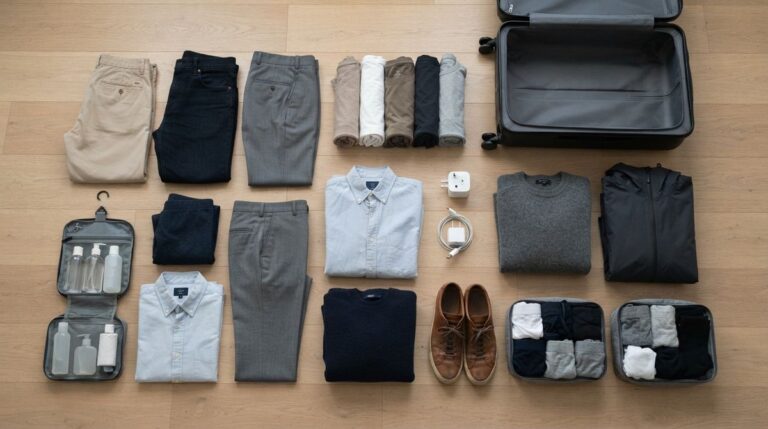
Packing light saves money in several ways. A smaller bag may avoid extra baggage fees on a bus or train, and it is easier to carry up stairs or across crowded streets. Choose clothing that mixes well so that a few items can create several outfits. Leave the heavy extras at home and buy anything forgotten at a local shop.
- Pack two versatile outfits plus one warm layer.
- Bring a reusable bottle, a phone charger and a small first-aid kit.
- Use a single soft bag rather than a large suitcase.
- Carry a copy of your booking details in a separate place.
Lay out everything the night before and check it against the list. A tidy packing routine reduces stress and the chance of buying something you already own. Light luggage also makes the journey more comfortable from start to finish. Heavy bags are also tiring on stairs and crowded platforms. Keep valuables close and easy to reach.
Leave Room for a Slow Return
The final day of a short trip is often rushed, and rushing can lead to missed trains and extra costs. Plan a slow return that leaves a comfortable buffer before the journey home. Use the morning for a final walk or a coffee in a favorite spot. Keep the afternoon free so that any delays do not cause stress.
Pack the bag before the last outing so that you are not hunting for items at the last minute. Check the departure time and the route to the station the evening before. A relaxed finish helps the whole trip feel calm rather than hurried.
Short Trips Still Count
A budget break built around two free days can be just as satisfying as a long holiday. Choosing a nearby destination, booking transport with care, enjoying free public spaces and packing light all reduce the cost. A relaxed return keeps the final hours enjoyable. Small, well-planned trips offer real rest and fresh experiences without straining the household budget.