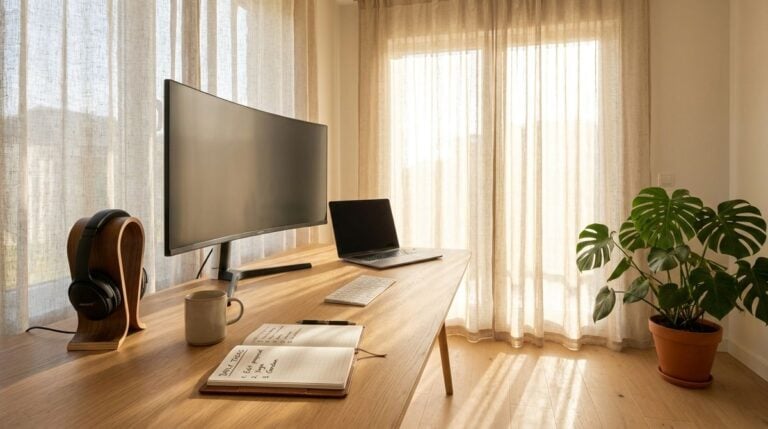
Office health discussions often focus on wellness programs and gym memberships. The comfort details of a workspace, such as chair height, lighting and noise levels, shape daily routines more quietly. Staff notice them every hour, even if they rarely mention them. Small adjustments can make a workplace feel more considerate without a large budget.
This article is general information for business owners and managers. It is not medical advice. Each point describes a workplace setting that many teams review as part of routine planning. Where someone has a specific health concern, a qualified professional should guide the response.
Desk Height and Chair Setup
Chairs and desks are often set up once and never revisited. A person of a different height may struggle with a seat that sits too low or a keyboard that sits too high. Readers may also want to visit Frontsiderocks.com.
Offer staff a short adjustment session when they join or when furniture changes. Demonstrate how to raise the seat, tilt the screen and place the keyboard. Many people simply do not know that these controls exist.
Keep spare footrests and monitor stands available, since they help different body sizes settle into a comfortable position.
Lighting and Screen Glare
Lighting affects focus and comfort more than many managers expect. Glare on a monitor forces people to squint or lean, and dim corners can make paper documents harder to read. You can also visit wallstsouth.org for more reading.
Adjustable task lamps let staff direct light to their own work surface. Warm and cool lamp options can suit different tasks, though consistency across the room helps. Ask employees to report spots that feel too bright or too dim.
Blinds and simple film on windows can soften harsh sunlight without blocking the view.
Noise, Temperature and Air
Noise and temperature complaints are common in shared offices. A loud printer or a busy corner can disrupt concentration, while a room that runs too cold or too warm can leave people restless. For a related read on this site, see Cross-Training Plans That Let Two Staff Cover One.
Ventilation matters as well. Stale air in small meeting rooms can make the afternoon feel heavy. Regular filter changes, open doors between sessions and plants that suit the space can help, though none of them replaces a properly maintained system.
Ask staff for feedback each season, and keep a simple log of comfort requests.
Movement breaks work best when they are built into the calendar rather than left to chance. A five-minute walk after a long meeting can clear the head and loosen tight shoulders. Standing huddles at the start of a shift also help people shift position without making a fuss. Encourage managers to model these habits openly so the team sees them as normal practice.
Some people prefer quiet spaces during breaks, while others enjoy a short chat. Offer both options, such as a calm room with soft lighting and a shared kitchen table. Ask staff which option they would use, and adjust the arrangement based on their feedback. Flexible break spaces respect the different ways people recover during a busy day.
Breaks, Movement and Water Access
Long sessions without a break can leave people stiff and distracted. Short walks, standing meetings and stretch breaks give the body a chance to change position. Set expectations so that stepping away is seen as normal rather than as a lapse in commitment.
Water should be easy to reach. A bottle filler, a clean cup station or a labeled fridge shelf keeps hydration simple. Place these near common work areas rather than in a distant break room.
Comfort planning benefits from regular review rather than a single makeover. Schedule a short check every few months, walk the office at a typical hour and note what feels tight, cold, dim or noisy. Ask a few staff members to test the spaces with you and share honest notes. Small changes made on a steady timetable tend to last longer than a rushed overhaul.
Use simple checklists when new team members join so that the setup of each desk stays consistent. Include chair adjustment, screen height, lighting and access to water. A consistent starting point reduces guesswork and helps newcomers feel settled faster. Over time the checklist becomes part of the onboarding culture rather than a one-time task.
Comfort as a Daily Practice
Workplace comfort is built from many small decisions, each made once and felt every day. Chairs, lighting, sound, air and breaks all influence how staff feel by the afternoon. Owners who treat these details as ongoing work tend to create a steadier environment, where people can focus on their tasks without a constant background of discomfort.