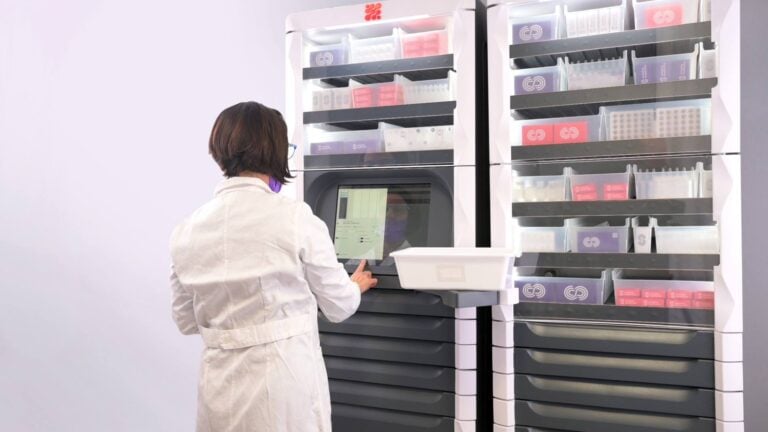
The future for patient care and hospitals is tech. High level upgrades that serve purpose and promote efficiency in the workplace are no longer just a luxury; they are a necessity. As healthcare systems around the globe face increasing demands, the integration of technology into everyday operations is essential for improving patient outcomes and streamlining processes. There are many pressures and setbacks that hospital staff face every single day, and in the near future the world will face a nurse deficit, some places already have. In Romania, there are only 100 nurses per 100,000 inhabitants. In Greece, there are only 219 nurses per 100,000 inhabitants, while the UAE only has 620 per 100,000. In France, the situation is slightly better, with only 970 nurses per 100,000 inhabitants. However, it is recommended to have one nurse to five patients, according to National Nurses United. Nurses are becoming more rare, and the top contributors to this trend include an aging population; soon, one in six people worldwide will be sixty years of age or older. Another significant contributor is the mental and physical strain of the job, which is often paired with low wages that do not reflect the demanding nature of the work.
Nursing staff also has to deal with blood, medications, and document delivery amongst everything else, which can be overwhelming. However, the Pneumatic tube system could help with that, delivering documentation 700% faster than a human carrier ever could. This innovative system not only enhances speed but also improves accuracy in the delivery of critical items. Cancer medication, cell growth inhibitors, and IV bags could be delivered in only two minutes compared to the normal ten-plus minutes. The tubes would be controlled with a touchscreen and are equipped with RFID tracking technology, making it simple for workers to track the couriers and pick the fastest route. This level of efficiency is crucial in a healthcare setting where every second counts, especially in emergency situations.
This delivery method also limits hand contact, which is particularly important in a hospital environment where pathogenic bacteria spreads by touch. More than 80% of illnesses can be transferred through physical contact, and reducing this risk is paramount for the health of both patients and staff. Hospitals and staff alike need high-quality, efficient boosting technology to aid in their everyday tasks. By implementing such systems, healthcare facilities can not only enhance their operational efficiency but also significantly improve patient safety and satisfaction.
Moreover, the adoption of advanced technologies like telemedicine, electronic health records (EHR), and artificial intelligence (AI) is transforming the healthcare landscape. Telemedicine allows patients to consult with healthcare providers remotely, reducing the need for in-person visits and making healthcare more accessible. EHR systems streamline patient information management, ensuring that healthcare professionals have immediate access to vital patient data. AI-driven tools can assist in diagnosing conditions, predicting patient outcomes, and personalizing treatment plans, ultimately leading to better healthcare delivery.
As we look to the future, it is clear that technology will play a pivotal role in addressing the challenges faced by healthcare systems worldwide. By embracing these innovations, hospitals can not only alleviate the burden on nursing staff but also provide a higher standard of care for patients. The integration of technology into healthcare is not just about efficiency; it is about creating a sustainable model that can adapt to the evolving needs of society. The journey towards a tech-driven healthcare system is well underway, and it is essential for all stakeholders to collaborate and invest in these advancements to ensure a healthier future for everyone.

Source: Swisslog