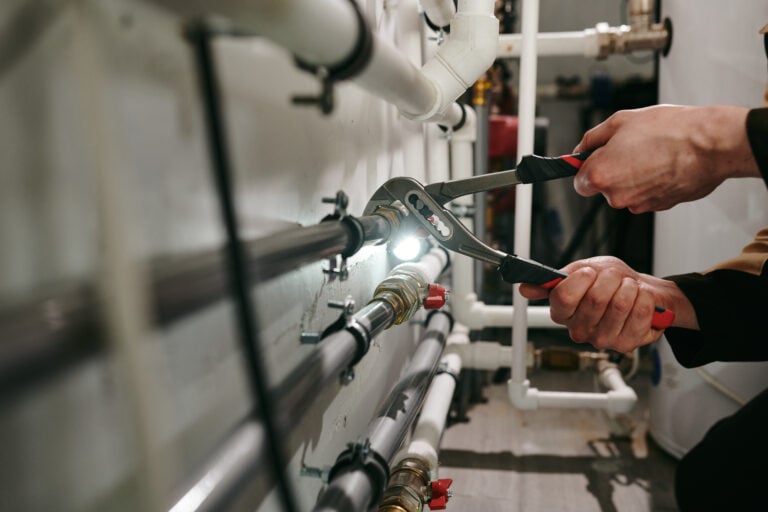
Every business owner knows the frustration of unexpected disruptions. A power outage, a broken piece of equipment, an IT failure—these are the crises that keep managers up at night. Yet one of the most common sources of operational chaos hides in plain sight: your drains. Commercial plumbing systems work quietly behind the scenes until the moment they don’t, and when that happens, the fallout can touch every corner of your business.
The Hidden Cost of “Out of Sight, Out of Mind”
Drains don’t demand attention the way a broken window or a malfunctioning sign does. They’re buried in walls, tucked under sinks, and routed beneath floors, which makes them easy to ignore. But that invisibility is exactly what makes neglect so dangerous. Grease, debris, and mineral buildup accumulate slowly over time, narrowing pipes and reducing flow. By the time a clog becomes noticeable, the problem has often been developing for weeks or months.
Unlike a home plumbing system, commercial setups handle significantly more volume and, depending on the industry, a wider variety of waste materials. Restaurants push grease and food particles through their lines daily. Medical facilities manage specialized waste. Retail spaces and offices deal with high-traffic restrooms. Each of these environments places unique demands on drain systems, and each requires a maintenance approach suited to its specific risks.
When Drains Fail, Operations Stop
The most immediate consequence of a drain failure is closure. A backed-up sink in a restaurant kitchen can halt food prep entirely. A clogged floor drain in a retail bathroom can force a business to shut its doors until repairs are made. For service-based businesses, even a few hours of closure means lost revenue, frustrated customers, and potentially damaged reviews that linger long after the pipes are fixed.
Beyond the immediate stoppage, there’s the matter of cleanup. Drain backups often bring wastewater to the surface, creating unsanitary conditions that require professional remediation before a business can reopen. This isn’t a quick wipe-down; it’s a process that can take hours or days depending on the severity of the issue, extending the disruption far beyond the initial clog.
The Ripple Effect on Reputation and Revenue
Operational downtime is costly, but the damage doesn’t stop when the water drains away. Customers who encounter foul odors, standing water, or a sudden “closed for maintenance” sign form impressions that stick. In an era where online reviews shape purchasing decisions, a single bad experience tied to plumbing issues can discourage future business.
Employees feel the impact too. Unsanitary conditions or unreliable facilities affect morale and can raise legitimate health and safety concerns. If drain problems become a recurring issue, staff may begin to question whether management is invested in maintaining a functional, safe workplace. That perception can affect retention just as much as it affects customer loyalty.
Emergency Repairs Cost More Than Prevention
There’s a financial logic to drain maintenance that’s easy to overlook until you’re facing an emergency invoice. Routine inspections and cleaning are predictable expenses that can be budgeted for in advance. Emergency repairs, on the other hand, come with premium pricing, rushed scheduling, and often more extensive damage because problems have had time to worsen before anyone intervened.
A neglected drain issue rarely stays contained. What starts as a slow clog can escalate into a burst pipe, water damage to floors and walls, or even structural issues if left unaddressed long enough. The cost of fixing a small problem early is almost always lower than the cost of repairing the damage it causes when ignored.
Building a Maintenance Routine That Works
Protecting your business from drain-related disruptions doesn’t require constant vigilance, just consistency. Scheduling regular inspections with a qualified commercial plumbing service allows small issues to be caught before they escalate. Many providers offer camera inspections that reveal buildup or damage inside pipes long before symptoms appear at the surface.
Staff training also plays a role. Employees who understand what should and shouldn’t go down a drain can prevent many common issues from occurring in the first place. Pairing this awareness with a documented maintenance schedule creates a system where responsibility is clear and nothing falls through the cracks.
Protecting Operations Starts Below the Surface
Drain maintenance may not be the most exciting item on a business owner’s to-do list, but its impact on daily operations is undeniable. A proactive approach protects revenue, safeguards reputation, and keeps employees and customers safe. Partnering with a reliable commercial plumbing provider for regular maintenance is a straightforward way to prevent the kind of disruption that no business can afford to absorb.