Staff comfort affects how people work, how they feel about their jobs and how often they need to take time off. Many workplace habits can be built around the space and supplies a business already has, without expensive equipment or new programmes. This article covers general practices for break rooms, desks and shared areas that keep staff comfortable while avoiding unnecessary spending and waste. It is general information only and not medical advice. The focus is on simple routines that are easy to sustain over the long run.
Set Up the Break Room for Easy Use
A break room that is pleasant to use is more likely to be used for rest, which helps people reset during the day. Keep seating comfortable, clean and arranged so people can talk or sit quietly. Good lighting and a tidy floor make the area feel welcoming without extra cost. Readers may also want to visit blitzsource.com. Simple arrangement matters more than fancy furniture. A plant or a simple picture on the wall adds warmth at almost no cost.
Place a clear recycling bin beside the general bin, with a sign that is easy to read at a glance. Keep a shared container for reusable crockery so fewer disposable cups and plates end up in the bin. Wipe surfaces at the end of each day to keep the area fresh. These routines are cheap and keep the space in good shape. Ask staff for ideas about the room, since people who use a space daily often spot the simplest fixes.
Stock Water Refills Instead of Bottles
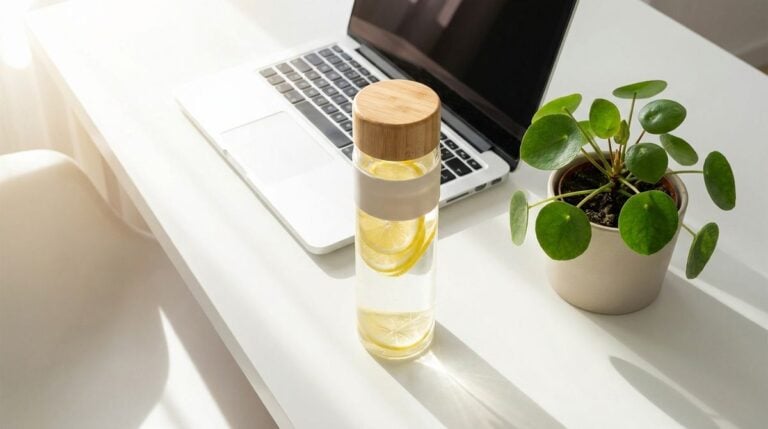
Single-use plastic bottles add cost and clutter in a busy workplace. A filtered water dispenser or a shared jug with cups encourages staff to drink water regularly. Offer refillable bottles at a low cost, or invite staff to bring their own. Regular water intake is a simple habit that supports comfort through the working day. Keeping water within easy reach is one of the least costly comforts a workplace can offer.
Keep the water station clean by checking the filter schedule and wiping the tap area each day. Post a simple reminder about refilling bottles at the start of each shift. You can also visit zoomblog.org for more reading. Track how many bottles are being replaced to see whether the change is working.
Support Posture and Eyes at Low Cost
Adjustable chairs, monitor heights and regular movement breaks can make a difference to how people feel at a desk. Many of these adjustments need only a stack of books or a simple footrest rather than new furniture. Encourage staff to look away from screens at intervals and to stretch briefly. Movement prompts can be set on shared calendars or with a quiet timer. Short walks to a window or a colleague’s desk count as breaks too, and they cost nothing at all.
Check whether desks sit close to windows so glare does not hit screens directly. Adjust blinds or move monitors slightly to reduce reflections. For a related read on this site, see Lower Energy Habits for Office Computers and Servers. Keep cables tidy under desks to prevent trips and to make cleaning easier. A tidy desk also makes it easier to notice worn cables before they fail.
Share Supplies Without Overbuying
Hand sanitiser, tissues, first aid items and snacks are often bought in large amounts and forgotten at the back of a cupboard. Keep a simple log of what is used each month, and buy to match the actual pattern. Check expiry notes on packaging and rotate stock so older items are used first. A little planning saves money and reduces waste.
Offer bulk items in dispensers where appropriate, since this reduces packaging. Keep a small supply cupboard with clear labels so staff know where to find things. Remove expired or damaged items during a monthly check. Note any item that ran out quickly, since it may need a larger pack next time. Organised supplies make the workplace feel cared for. Ask staff to report low stock on a shared note, so nothing runs out during a busy week.
Check In and Adjust Regularly
Short, regular conversations with staff reveal what helps and what gets in the way. A brief check-in each month, perhaps over a cup of tea, can surface small irritations before they become larger problems. Ask open questions and note the answers in a shared document. Changes are easier to make when people feel heard.
Choose one or two actions to try at a time, then review how they worked after a few weeks. Keep the tests simple and inexpensive so that trying something new does not feel risky. Celebrate what works and drop what does not. A steady, low-key approach can make the workplace more comfortable without much fuss.
Small Routines for Lasting Comfort
Pleasant break rooms, reusable water options, comfortable desk setups, careful supply buying and regular check-ins can all be put in place with little spending. None of these habits needs new programmes or specialist staff. Pick one that fits your team and begin this week. Comfort at work tends to grow out of attention paid to many small details.