Sending a team member on an overnight business trip is a normal part of many companies, yet it brings its own everyday risks. A traveler may be tired, unfamiliar with the streets and far from familiar colleagues. Small habits can make a big difference in those conditions, from sharing an itinerary to keeping a charged phone close. None of these steps requires special training or expensive equipment. This article explains simple, sensible precautions that a business owner can share with staff before they leave, and it focuses on ordinary common sense rather than on any specific destination.
Sharing the Itinerary Before Anyone Leaves
Make sure at least one person back at the office holds a copy of each traveler’s full schedule. The copy should include flight or train times, the hotel name and address, meeting locations and a contact number for the day. A traveler who is running late can then be found quickly if plans change. Readers may also want to visit LIT Market.
Agree on a daily check-in time before the trip begins. A short message at the same time each evening is enough to show that the traveler is safe and on schedule. If a check-in is missed, the office knows to call the traveler’s phone and then the hotel. Writing this routine down avoids guesswork and removes the stress of wondering who should act first.
Keeping Phones Charged and Contacts Ready
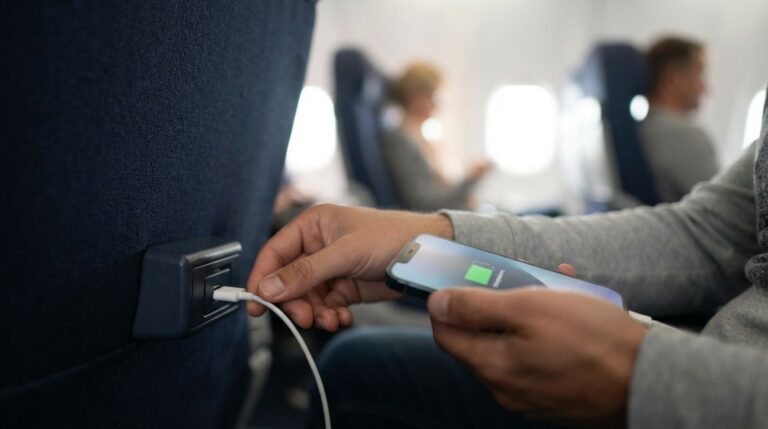
A fully charged phone is one of the simplest safety tools a traveler owns. Pack a spare charging cable and a small power bank, and check that both are in working order before departure. Save the office number, the hotel details and local emergency numbers in the phone so they are never lost. Encourage travelers to share their location with one trusted colleague only, if they are comfortable with it.
Keep the list of trusted contacts short and review it after each trip. You can also visit blogsup.net for more reading.
Choosing Accommodation With Security in Mind
Hotel choice affects safety more than many people expect. Look for a property with a staffed front desk, lockable room doors and good lighting around the entrance and parking lot. Ask whether the building has controlled access after late evening. For a related read on this site, see Handling Customer Contact Data With Care in Email.
Once in the room, travelers should lock the door, use the chain or bolt, and keep valuables out of sight. Count the exits on the way to the room, and note which stairwell leads to the street. These are quick habits that cost nothing and can help in an unfamiliar building.
Walking Safely in an Unfamiliar City
Plan the route between the hotel, the client site and the station before setting out. Stick to well used streets, especially after dark, and avoid cutting through quiet alleys or empty parking lots. Keep a bag strap across the body and carry only the cards and cash needed for the day. A traveler who looks confident and alert is less likely to attract trouble, so walk with purpose and keep the head up.
Ask the hotel reception for advice on local transport and any areas to avoid. A taxi booked through the hotel is often a sensible choice late at night. Share the vehicle details with a colleague before getting in.
Protecting Work Equipment and Documents
Laptops, tablets and paper files carry client information, so treat them with care. Keep the laptop in a padded case with no visible logo. Never leave a bag unattended in a lobby, a restaurant or a taxi. Store sensitive files in a password protected cloud folder rather than on a loose memory stick.
Use a hotel safe for passports and spare cards, and make sure the safe is locked after each use. Keep a scanned image of travel documents in a separate place. Good record keeping makes replacement faster if something goes missing.
Knowing What to Do If Something Goes Wrong
Every traveler should know the emergency number for the country they are visiting and where the nearest embassy or consulate can be found. Save these details before departure so they are not hunted for during a crisis. If a theft or accident happens, report it to local authorities and then to the office. Clear reporting helps the company support the person and manage any related costs.
Encourage staff to speak up early if they feel unsafe. A quick call to the office can change the plan, shorten a stay or bring a colleague out to help. Reward that openness rather than criticizing it, so people never feel they must hide a problem.
Making Safety Part of the Trip Plan
Safe travel rarely depends on one big decision. It comes from a handful of simple habits, shared early and repeated on every trip. Give staff a short printed sheet with these points, and review it together once a year. That small effort protects both people and the business.