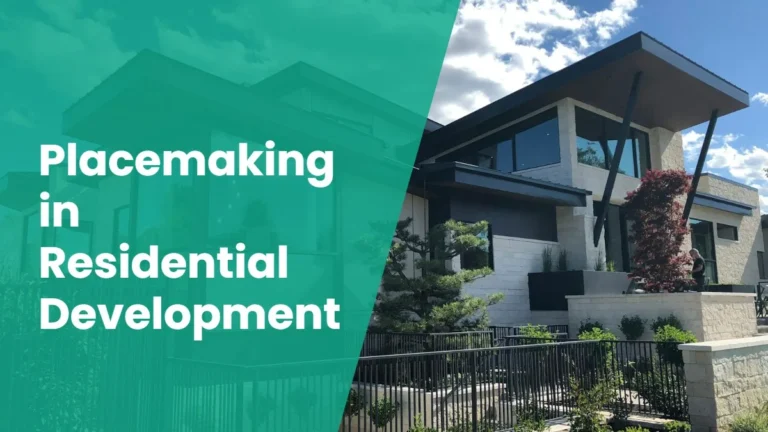
The places we live shape almost everything about daily life: how long the commute takes, whether children can walk to school, how often we see neighbours. September 2026’s existing home sales data showed the median price reaching $417,500, up 1.3% on a year earlier, with inventory rising to 1.6 million homes. Behind every new community that adds to that supply is a developer making hundreds of decisions about land, design and budgets. The most inspiring places tend to come from developers who manage those decisions carefully.
|
What to know
|
The September Data
According to Mortgage News Daily’s report on September 2026 existing home sales, published on 16 October 2026, sales rose 1.5% to an annual rate of 3.99 million and the median price reached $417,500. Inventory climbed to 1.60 million homes, up 4.6% on a year earlier, and months of supply stood at 4.8.
NAR’s Lawrence Yun said further increases in mortgage rates mean fewer buyers can qualify to purchase a home.
Why Place Matters More Than Ever
With homes expensive and mortgages costly, buyers think harder about where they settle. They look for walkable streets, parks, good schools, shops nearby and a sense of community. Neighbourhoods that offer those qualities hold their value and attract buyers even when the wider market is slow.
Creating them takes vision, patience and careful financial management.
Design Decisions Start With the Land
The shape of a site, its views, trees, slopes and access points all influence how a neighbourhood can be laid out. Thoughtful developers study the land closely before deciding where streets, homes and green spaces should go. Preserving mature trees or natural features often adds lasting value.
Those choices also affect infrastructure and construction costs, which must be planned from the start.
Balancing Amenities and Budgets
Parks, trails, community gardens and gathering spaces make neighbourhoods special, but they cost money to build and maintain. Developers must balance what buyers want with what the project can afford. Tracking amenity costs separately helps make those trade-offs clearly.
Integrated real estate development software with cost-at-completion forecasting shows how each choice affects the overall budget.
Building Homes People Can Afford
With median prices above $400,000, affordability is a constant challenge. Developers can help through smaller lot sizes, efficient designs, a mix of home types and careful cost control. Every dollar saved in construction can help keep prices within reach.
Good data on costs per home makes these decisions possible.
Working With Local Communities
The most successful neighbourhoods are shaped with input from local residents and officials. Early consultation can improve designs and reduce objections, though it takes time and money. Developers should budget for engagement just as they budget for engineering.
Strong community relationships often lead to smoother approvals on future projects.
Article Orbit has published a clear explainer on commercial property managers outgrowing spreadsheets for readers who want to go further.
Choosing Builders and Trades
Quality craftsmanship makes a neighbourhood feel cared for. Developers who build homes themselves, or select builders for their lots, need reliable partners and clear contracts. Tracking subcontracts, insurance certificates and lien waivers protects everyone.
Paying trades accurately and on time helps secure the best crews.
Phasing Growth Thoughtfully
Large neighbourhoods are usually built in phases over several years. Early residents want amenities and roads finished, while developers need to match construction to demand. With 4.8 months of existing home supply, phasing carefully reduces risk.
Accurate cost-to-complete figures for each phase guide those decisions.
Keeping Costs Visible
Inspiring places can fail financially if budgets slip. Developers who track budgets, commitments and change orders in real time catch problems early. Elevate Solutions says its approach is designed to catch overruns at around 20% completion rather than at 90%.
Financial discipline protects the vision as well as the balance sheet.
Funding the Vision
Lenders and investors back developers they trust. Clear reports on progress, costs and sales, together with accurate draw requests, build that trust. Elevate Solutions says draw packages in its software take under 30 minutes instead of six to eight hours.
Reliable funding keeps projects on schedule.
One Platform for the Whole Journey
From land purchase to construction to managing completed commercial space, developers benefit from keeping all their data in one place. That continuity makes reporting easier and preserves the history of each project.
Elevate Solutions offers real estate software for development, construction and commercial property management on Acumatica’s cloud ERP.
It is worth reading Article Forge Hub’s article on why elevator wait complaints trace back to early decisions for a second perspective.
Learning From Places That Work
Developers can learn a great deal from neighbourhoods that have stood the test of time. Visiting successful communities, talking to residents and studying what makes them work informs better designs.
Comparing those lessons with cost data shows which features deliver the most value.
Designing Places People Want to Live
Buyers increasingly value walkability, green space and community amenities as much as square footage. Developers who plan parks, paths and shared spaces early, and track their costs carefully, can create neighbourhoods that sell well and hold value. Listening to local residents during planning also reduces delays.
The Takeaway
September 2026’s existing home sales show prices still rising and buyers becoming more selective. Developers who create places people genuinely want to live, while managing land, design and construction budgets carefully, build communities that last and projects that succeed.
What makes a neighbourhood feel like home to you?