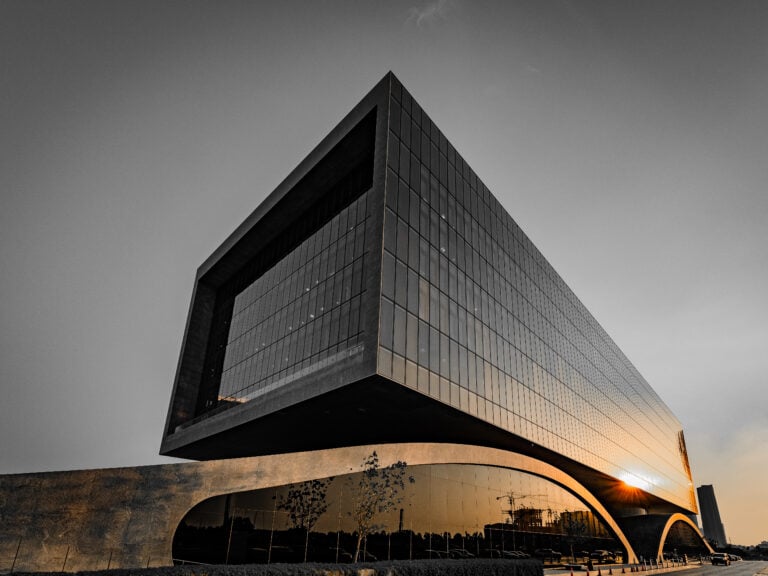
Glass has long been the signature of modern architecture, prized for its ability to flood interiors with natural light and create a sense of openness between built spaces and their surroundings. But as the construction industry faces mounting pressure to reduce its environmental footprint, glass is undergoing a quiet transformation. No longer just an aesthetic choice, it’s becoming a critical component in the push toward sustainable building design.
Rethinking a Familiar Material
For decades, glass carried a reputation as an energy liability. Single-pane windows leaked heat, oversized facades turned buildings into greenhouses, and architects often had to choose between visual drama and energy efficiency. That trade-off is disappearing. Advances in glazing technology, coatings, and structural engineering are allowing designers to use glass more intelligently, without sacrificing the light-filled aesthetic that made it so popular in the first place.
Smart Glazing Technologies
One of the most exciting developments is the rise of smart glass, which can adjust its tint or opacity in response to sunlight, temperature, or a simple electronic switch. This dynamic behavior reduces reliance on artificial cooling and lighting, since the glass itself regulates how much heat and light enters a space throughout the day.
Electrochromic and thermochromic glass technologies are leading this charge, allowing buildings to respond to changing weather conditions in real time. Instead of relying on blinds or shades, a building’s envelope becomes an active participant in energy management. This kind of responsiveness represents a fundamental shift in how modern architecture approaches climate control, treating the building skin as a living system rather than a static barrier.
Insulation Without Compromise
Multi-pane glazing filled with insulating gas, along with low-emissivity coatings, has dramatically improved the thermal performance of glass. These innovations block unwanted heat transfer while still allowing light to pass through, addressing one of the oldest criticisms of glass-heavy design.
Vacuum-insulated glass is also gaining traction, offering insulation levels that rival traditional walls while maintaining a slim profile. This means architects can design ambitious glass facades without the energy penalties that once accompanied them. As these technologies become more accessible, they’re likely to become standard rather than premium features in sustainable building projects.
Recycled and Low-Carbon Glass Production
Sustainability isn’t just about how glass performs once installed. It also concerns how glass is made. Traditional glass production is energy-intensive, but manufacturers are increasingly turning to recycled content and lower-temperature production methods to shrink the carbon footprint of glass products.
Recycled glass, often sourced from post-consumer waste, reduces the need for raw materials and lowers the energy required for melting. Meanwhile, some manufacturers are exploring alternative furnace technologies that rely on renewable energy sources rather than fossil fuels. These shifts upstream in the supply chain are just as important as the technological advances happening at the building level.
Integrating Glass with Renewable Energy
Perhaps the most forward-looking development is the emergence of glass that generates power. Building-integrated photovoltaic glass embeds solar cells directly into window panels, allowing facades to double as energy sources. This turns what was once a purely passive material into an active contributor to a building’s energy needs.
This integration aligns perfectly with the broader goals of modern architecture, where form and function are expected to coexist seamlessly. A window that lets in light while also generating electricity represents exactly the kind of dual-purpose design that sustainable buildings of the future will demand.
Designing for a Circular Future
Beyond performance and production, architects are beginning to think about glass through the lens of circularity. Designing buildings so that glass components can be removed, reused, or recycled at the end of a structure’s life is becoming part of the conversation. This approach reduces waste and extends the usable life of materials that would otherwise end up in landfills.
Modular glazing systems, designed for disassembly rather than permanent installation, are helping make this vision practical. As circular design principles gain influence across the construction industry, glass manufacturers and architects alike are rethinking not just how glass performs, but how it lives on beyond a single building’s lifespan.
A Transparent Path Forward
Glass remains one of the defining materials of modern architecture, but its role is evolving. Between smart glazing, improved insulation, sustainable manufacturing, energy generation, and circular design principles, the material is shedding its old reputation as an energy drain. Instead, it’s becoming a genuine asset in the effort to build more sustainably. The buildings of tomorrow will likely be just as transparent as those of today, but far smarter about how that transparency is achieved.