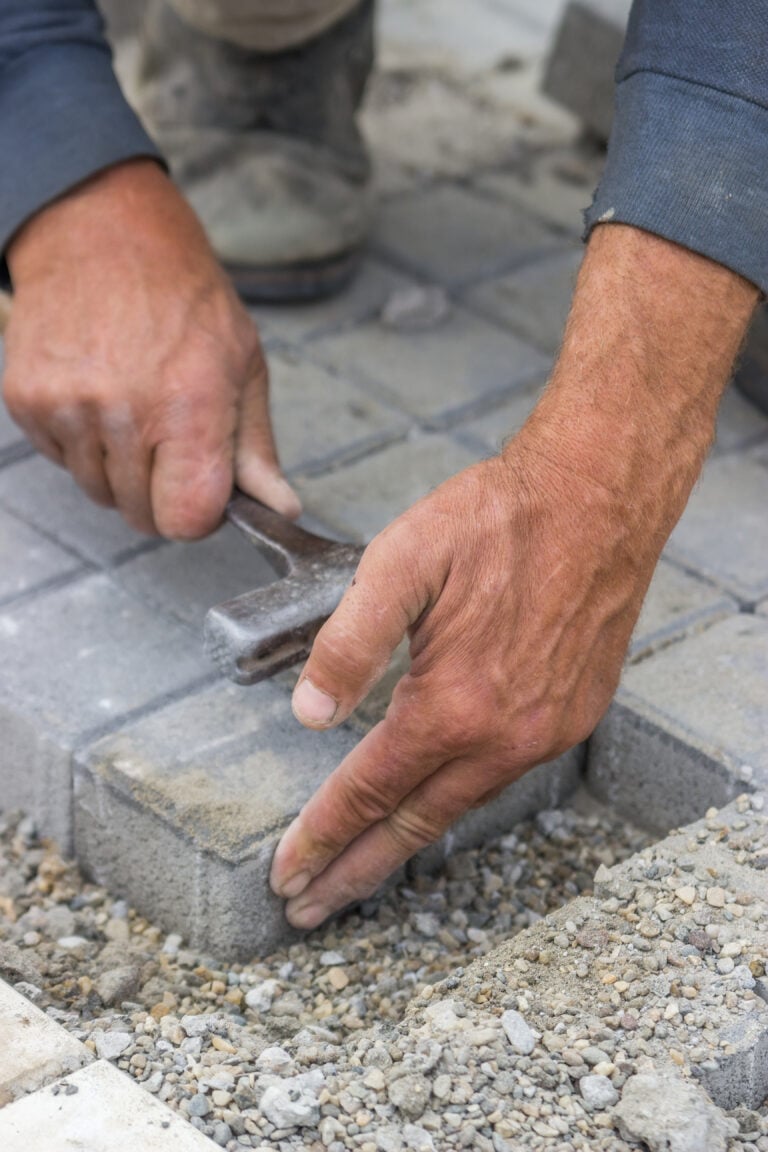
Outdoor spaces have become an extension of the home, and hardscaping is leading that transformation. While lush lawns and blooming flower beds still matter, homeowners are increasingly investing in the structural elements that define how a yard looks and functions. From patios to pathways, hardscaping creates the bones of a landscape design, and the latest trends show just how creative this side of landscaping has become.
Natural and Textured Materials
Gone are the days of uniform concrete slabs dominating patios and walkways. Homeowners are now gravitating toward natural stone, textured pavers, and materials that mimic organic elements. Flagstone, travertine, and irregularly shaped pavers create a sense of movement and authenticity that flat, monochromatic surfaces simply can’t match.
This shift toward texture also extends to color palettes. Earthy tones, warm grays, and multi-tonal blends are replacing stark whites and grays, helping hardscaping features blend more naturally into their surroundings rather than standing out as separate additions to the landscape.
Outdoor Living Rooms
Perhaps the most significant trend in hardscaping is the continued expansion of outdoor living spaces. Patios are no longer simple slabs for a grill and a few chairs. They’ve evolved into fully realized rooms, complete with defined zones for lounging, dining, and cooking.
Fire features play a central role in this trend. Fire pits and outdoor fireplaces extend the usability of a space well into cooler months, turning a summer patio into a year-round gathering spot. Pergolas and shade structures are also popular additions, giving homeowners control over sun exposure while adding architectural interest to the yard.
Multi-Level Designs
Flat, single-tier patios are giving way to multi-level hardscaping designs that add depth and dimension to outdoor spaces. Retaining walls, raised planting beds, and terraced seating areas allow homeowners to make the most of sloped or uneven yards while creating visually dynamic environments.
These tiered designs aren’t just about aesthetics. They also serve practical purposes, such as managing water runoff and preventing soil erosion. When done well, multi-level hardscaping transforms a challenging yard into one of its most striking features.
Sustainable and Permeable Surfaces
Environmental consciousness has made its way into hardscaping choices. Permeable pavers, which allow water to filter through the surface and into the ground rather than running off into storm drains, are gaining popularity among homeowners looking to reduce their environmental footprint.
Gravel and decomposed granite are also seeing renewed interest for pathways and low-traffic areas. These materials require less maintenance than traditional hardscaping options and offer a softer, more natural look that pairs well with native plantings and drought-tolerant landscaping.
Seamless Indoor-Outdoor Transitions
Another trend gaining momentum is the blurring of lines between indoor and outdoor spaces. Homeowners want their patios and outdoor rooms to feel like natural extensions of their interior living areas. This often means matching or complementing indoor flooring materials with outdoor hardscaping, creating a continuous visual flow from inside to out.
Large-format pavers, sliding glass doors that open onto patios, and consistent design elements like color schemes and architectural details all contribute to this seamless transition. The result is a home that feels larger and more connected to its surroundings.
Lighting as a Design Element
Hardscaping lighting has moved beyond simple pathway markers. Today’s designs incorporate lighting directly into walls, steps, and seating areas, creating ambiance while improving safety and functionality. Uplighting on trees and architectural features adds drama after dark, turning hardscaped spaces into inviting environments well after the sun goes down.
Bringing It All Together
The latest trends in hardscaping reflect a broader shift toward outdoor spaces that are functional, sustainable, and deeply personal. Whether it’s through natural materials, multi-level designs, or thoughtful lighting, today’s hardscaping choices are about creating spaces that feel intentional and lived-in rather than purely decorative.
For homeowners considering a landscaping update, hardscaping offers an opportunity to make a lasting impact. These structural elements provide the framework that ties an entire outdoor space together, and staying current with design trends ensures that any investment will feel fresh and functional for years to come.