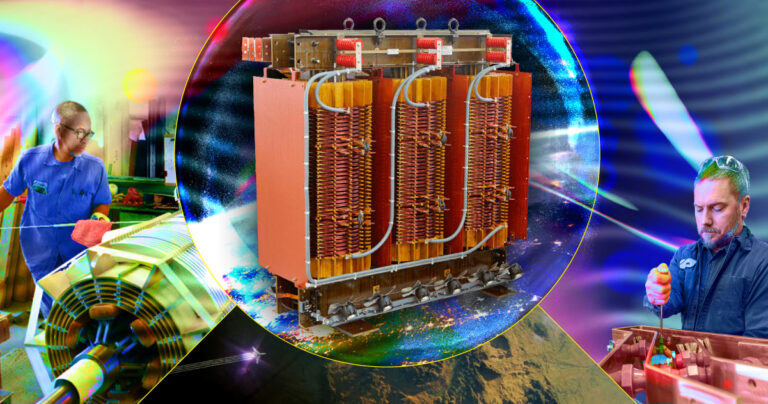
Energy production in the United States is at an all-time high and continues to multiply. Future demand is projected to be 50% higher than today’s levels, challenging US engineers and technicians to match the pace of progress. In 2023, the US used over 4,000 terawatt hours, a number that is projected to grow by over 25% by 2050.
The leading industries in energy usage are transportation, industrial, residential and commercial, all guzzling thousands of terawatt hours of power each year. This high usage of electricity is driven by the overall electrification of the United States, and in recent years, has been amplified by the rise of artificial intelligence. AI servers require more power than any electrical invention in recent years, and these servers are being built at a rapid rate. Data predicts that leading AI company NVIDIA will ship over 1 million server units annually by 2027.
If the US is not able to meet power demands, major business industries such as transportation, communication, banking and supply chains would go down. To mitigate these potential risks, experts suggest turning the focus to the country’s aging infrastructure. Fixing this infrastructure will be costly and timely, however, will allow the country to better meet the energy needs of the future.

Source: ELSCO