Every winter, Utah residents brace themselves for something uniquely frustrating: inversion season. As cold air settles into the state’s valleys and gets trapped beneath a layer of warmer air above, pollution has nowhere to go. The result is a thick haze that hangs over cities for days or even weeks, leaving many people feeling sluggish, congested, and generally unwell. If you’ve lived in Utah long enough, you know the drill. But what can you actually do about it? One option gaining attention is salt chamber therapy, a wellness practice that some people turn to for relief during these smoggy months.
What Causes Inversion Season
Utah’s geography makes it especially prone to inversions. The state’s valleys are surrounded by mountains, which create a bowl-like effect. During the winter, cold, dense air sinks into these valleys and gets trapped under a dome of warmer air. Normally, air circulates and disperses pollutants, but during an inversion, that circulation stops. Smog, vehicle emissions, and other particulates build up and linger close to the ground, right where people are breathing.
This phenomenon isn’t just an inconvenience. The air quality during inversion season can become genuinely harmful, especially for people with asthma, allergies, or other respiratory sensitivities. Even healthy individuals often notice symptoms like headaches, fatigue, throat irritation, and a general feeling of being under the weather when inversions settle in for extended periods.
How Inversion Affects the Body
When the air quality drops, the body responds in several ways. Fine particulate matter can penetrate deep into the lungs, triggering inflammation and irritation in the airways. People often report increased coughing, sinus congestion, and scratchy throats. Those with pre-existing conditions like asthma or chronic bronchitis may find their symptoms flare up considerably during these weeks.
Beyond the respiratory system, poor air quality can also affect energy levels and mood. Many Utahns describe feeling foggy-headed or unusually tired during prolonged inversions, which makes sense given that the body is working harder to manage the pollutants it’s taking in. It’s no surprise that so many people start looking for ways to counteract these effects, especially during the darkest, haziest stretches of winter.
What Salt Chamber Therapy Involves
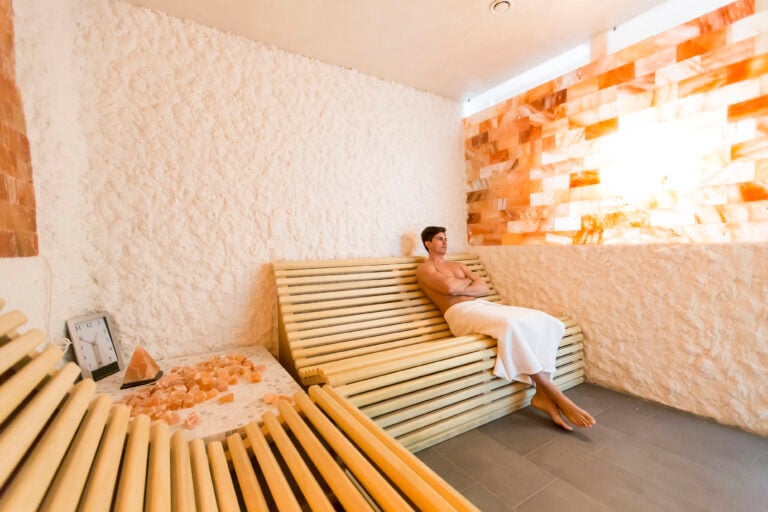
Salt chamber therapy, sometimes called halotherapy, involves sitting in a room designed to mimic the microclimate of a salt cave. These rooms are typically lined with salt on the walls and floors, and a special device called a halogenerator disperses tiny salt particles into the air. Sessions usually last anywhere from twenty to forty-five minutes, during which people simply relax, read, or unwind while breathing in the salty air.
The idea behind this practice draws from a long tradition of salt cave therapy, which has roots in Eastern Europe. Miners who worked in salt caves were observed to have fewer respiratory issues than those in other industries, which sparked interest in replicating those conditions aboveground. Modern salt chambers are an attempt to bring that experience into an accessible, convenient setting.
Why People Turn to It During Inversion Season
For Utah residents dealing with the effects of poor air quality, salt chamber therapy has become an appealing option for a few reasons. The fine salt particles are thought to help loosen mucus and reduce inflammation in the airways, potentially easing some of the congestion and irritation that comes with breathing in smoggy air day after day. Many people describe feeling like they can breathe a little easier after a session, along with an overall sense of relaxation.
It’s also worth noting that salt chamber sessions offer a quiet, low-stimulation environment, which can be a welcome break from the stress of navigating hazy commutes and gray skies. For many, the experience doubles as a moment of calm during an otherwise draining season, offering both a physical and mental reset.
Things to Keep in Mind
While many people find salt chamber therapy to be a pleasant and potentially helpful addition to their winter wellness routine, it’s important to approach it with realistic expectations. It is not a medical treatment, and it shouldn’t replace guidance from a healthcare provider, especially for anyone managing a chronic respiratory condition. Individual experiences vary, and what works well for one person may not have the same effect for another.
As with any wellness practice, it’s a good idea to pay attention to how your body responds and to consult a doctor if you have questions about whether salt therapy is appropriate for your specific health needs.
Navigating Inversion Season with Care
Inversion season is an unavoidable part of life in Utah, but that doesn’t mean residents are without options for managing its effects. Simple strategies like limiting outdoor activity on bad air days, using air purifiers indoors, and staying hydrated can all help. For those looking for an additional layer of relief, salt chamber therapy offers a relaxing, low-risk way to support respiratory comfort during the haziest months of the year.
Whatever approach you choose, being proactive about your health during inversion season can make a real difference in how you feel until the skies clear again.