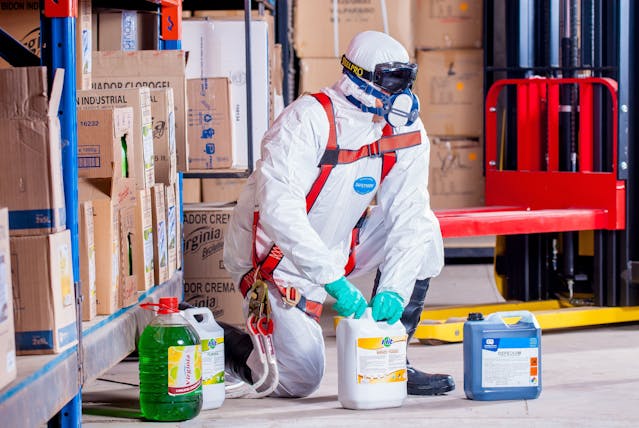
Every skilled trade from construction and electrical work to plumbing, landscaping, and general maintenance involves daily exposure to hazards. Tools, machinery, vehicles, heights, and environmental conditions all create risks that can cause serious injury without warning. That’s why personal protective equipment is not optional on the job it is the foundation of safe, professional trade work. When worn correctly and consistently, PPE protects workers, reduces downtime, and allows tradesmen to focus on doing their job properly.
What Personal Protective Equipment Really Protects Against
PPE is designed to act as a barrier between the worker and job-site hazards. These dangers are not always obvious, but they exist on nearly every site.
Common risks PPE protects against:
- Falling or flying debris
- Electrical shock and arc flash
- Cuts, punctures, and abrasions
- Slips, trips, and falls
- Exposure to dust, chemicals, and fumes
- Loud noise that damages hearing
- Low visibility around vehicles and machinery
Without PPE, even routine tasks can turn dangerous in seconds.
Essential PPE Every Tradesman Uses Daily
While specific trades require specialized gear, some PPE is universal across nearly all job sites.
1. Head Protection
Hard hats protect against falling objects, low-clearance impacts, and electrical hazards. They are critical on construction sites, mechanical rooms, and renovation projects.
2. Eye & Face Protection
Safety glasses and face shields protect from dust, sparks, wood chips, metal fragments, and chemical splashes. Eye injuries are among the most common and most preventable job-site injuries.
3. Hand Protection
Gloves protect against cuts, burns, vibration, chemicals, and sharp materials. Different tasks require different glove types, making proper selection essential.
4. Foot Protection
Steel-toe or composite-toe boots protect feet from crushing injuries, punctures, and slips. Good footwear also reduces fatigue and improves balance.
5. Hearing Protection
Power tools, machinery, and equipment can cause permanent hearing loss. Earplugs or earmuffs protect hearing and improve focus.
6. Respiratory Protection
Dust, insulation fibers, fumes, and vapors require masks or respirators to protect long-term lung health.
Why PPE Is a Professional Responsibility
Tradesmen are responsible not only for their own safety but also for the safety of coworkers and the public.
Proper PPE use helps:
- Prevent serious injuries
- Reduce lost workdays
- Lower insurance and liability risks
- Improve job-site organization
- Build trust with supervisors and clients
Professional tradespeople treat PPE as part of the job not an inconvenience.
Common PPE Mistakes to Avoid
Even experienced workers sometimes misuse PPE.
Mistakes include:
- Wearing damaged or expired equipment
- Removing PPE “just for a quick task”
- Using the wrong PPE for the job
- Poor fit or adjustment
- Failing to inspect gear regularly
PPE only works when it’s worn correctly and consistently.
Final Thoughts
Safe trade work begins with preparation. Personal protective equipment allows tradesmen to perform demanding tasks while minimizing risk and protecting long-term health. PPE is not a barrier to productivity it is what makes productivity possible. When workers respect their gear, they protect their careers, their coworkers, and themselves.