Home Blog Page 17

Customizing and Simplifying Modern Insurance Capture

0

When it comes to automating an insurance card capture system, any shortcomings can be extremely costly. Especially in the healthcare sector, billions of dollars in lost revenue are on the line, leaving room for denied claims that are often never reworked. The main reasons for these errors lie in the outdated nature of the current methods for insurance benefit verification automation. While paper and clipboard methods are clearly out, even digital and OCR intake methods have seen their end. With the low success rate and higher chance for human error, it is clear that the older systems clearly no longer offer the tools needed to succeed.

Pursuing a modern solution to these problems has led experts to develop an AI enabled insurance capture system. Within this framework, clients can either build or buy their systems, each option offering a different set of benefits and drawbacks. Building an AI system has a high level of customizability, but can come with high up-front costs or time delays. On the other hand, buying insurance card capture systems sacrifices the customizable aspect, but offers less risk and lower overall costs.

With the growing demand for an effective insurance capture solution, many services are beginning to combine these options, offering clients the true best of both worlds.

Build vs Buy - Orbit Healthcare - Insurance Benefit Verification Automation
Source: Orbit Healthcare

The Importance of Investing in Training

0

When describing the strengths of a company, people often refer to the leadership, the products, or the brand of a company. One of the most overlooked components, through arguably the most important, are the employees who run the daily operations. These employees must be provided the best training that is focused on building their skills and knowledge in a way that will benefit the company’s overall performance and keep it in line with the latest market trends, innovations, and best practices. Not only will these employees be excited at the prospect of their employer investing in their development, but the overall performance of the company will be able to reflect their newfound skill sets.

One of the best ways to provide a skills based training program is to invest in customizable programs that are tailored to the needs of a company, rather than purchasing a very generic one. AI and expert opinions should be woven into the program to ensure employees are being kept up to date with the latest and most helpful information. 42% of C-Suite executives claim that the lagging skills of their employees is the reason their organization is not more nimble and adept at addressing market changes. This can be overcome if the employees are provided the right resources to build the relevant skills. 

A Beginner’s Guide to Engaging IT Services for Your Business

0

In today’s digital age, IT services are crucial for the success and efficiency of any business. Whether you’re a startup or an established company, leveraging the right IT services can streamline operations, enhance productivity, and protect your business from cyber threats. This guide will walk you through the essentials of engaging IT services, offering practical tips and insights to get you started.

Understand Your Business Needs

Before you start looking for IT services, it’s essential to understand your business requirements. Identify the specific areas where IT support is necessary, such as network management, cybersecurity, or software development.

Tip: Conduct an internal audit to determine your current IT capabilities and gaps. This will help you pinpoint the exact services you need and avoid overspending on unnecessary solutions.

Research Different IT Service Providers

Not all IT service providers are created equal. It’s important to research and compare different companies to find one that aligns with your business needs and budget.

Examples: Look for providers with experience in your industry, positive client testimonials, and strong security credentials. Websites like Clutch.co offer detailed reviews and ratings of IT service providers to help you make an informed choice.

Evaluate Their Expertise and Services

Assess the expertise and range of services offered by potential IT providers. Ensure they have a team of certified professionals with experience in various IT domains.

Data Point: According to a CompTIA study, 91% of companies that outsource IT services say their providers meet or exceed expectations, highlighting the importance of choosing an experienced provider.

Consider Scalability and Flexibility

Your business will grow and evolve, so it’s crucial to select an IT service provider that can scale with your needs. Flexibility in service offerings ensures that you can adjust your IT support as your business changes.

Tip: Ask providers about their scalability options and whether they offer customizable service plans. This can save you from the hassle of switching providers as your business expands.

Assess Their Communication and Support

Effective communication and reliable support are vital for a successful partnership with an IT service provider. Ensure they offer responsive customer support and clear communication channels.

Example: Check if they provide 24/7 support, dedicated account managers, and multiple contact methods (phone, email, chat) to address any issues promptly.

Review Security Measures and Compliance

Cybersecurity is a top priority for businesses today. Verify that the IT service provider follows best practices in data protection and complies with relevant industry regulations.

Data Point: A report by Cybersecurity Ventures predicts that cybercrime will cost the world $10.5 trillion annually by 2025. Engaging a provider with robust security measures can help safeguard your business.

Analyze Pricing and Contract Terms

Cost is a significant factor when engaging IT services. Compare pricing models (e.g., fixed fee, pay-as-you-go) and review contract terms to ensure they align with your budget and business goals.

Tip: Look for providers that offer transparent pricing and flexible contracts without long-term commitments. This allows you to test their services without being locked into a lengthy agreement.

Seek References and Case Studies

Ask potential IT service providers for references and case studies to gauge their track record and success with other clients. This can provide valuable insights into their performance and reliability.

Example: Review case studies that showcase their ability to solve problems similar to yours. Client testimonials can also offer firsthand accounts of their service quality and effectiveness.

Plan for Ongoing Training and Support

Engaging IT services is not a one-time task. Ensure that your provider offers ongoing training and support to keep your team up-to-date with the latest technologies and best practices.

Tip: Look for providers that offer regular training sessions, webinars, and knowledge base resources. This can empower your team to make the most of the IT services and tools provided.

Monitor and Evaluate Performance

Regularly monitor and evaluate the performance of your IT service provider to ensure they meet your expectations and deliver value. This helps identify areas for improvement and ensures a continuous high standard of service.

Data Point: A survey by Deloitte found that 60% of organizations regularly review their IT service providers’ performance, leading to improved service levels and business outcomes.

Engaging IT services can transform your business operations, but it’s essential to approach the process strategically. By understanding your needs, researching providers, and prioritizing security and support, you can find the right partner to drive your business forward.


How to Implement Effective Compliance Programs

0

Ensuring compliance with laws, regulations, and internal policies is not just a legal requirement but also a strategic imperative. Companies that implement effective compliance programs protect themselves from penalties and enhance their reputations, foster trust with stakeholders, and build sustainable operational foundations. Listed below are some practical steps for establishing robust and efficient compliance programs within your organization.

Establish a Compliance Framework

Before implementing a compliance program, you must create a structured framework. This involves outlining the specific laws, regulations, and standards relevant to your industry and business operations. A comprehensive framework should be aligned with the company’s mission, values, and strategic objectives.

  • Thorough Research: Identify all regulatory requirements pertinent to your business. This might include industry-specific regulations, federal and state laws, and international standards if applicable.
  • Documentation: Document your compliance framework in detail, outlining how each regulation applies to your organization.

Example:

For a financial institution, a compliance framework would include adherence to regulations such as the Sarbanes-Oxley Act, Anti-Money Laundering (AML) laws, and the Foreign Corrupt Practices Act (FCPA).

Appoint a Compliance Officer

Having a dedicated compliance officer ensures there is central oversight of all compliance-related activities. This individual should possess thorough knowledge of relevant laws and regulations and have the authority to enforce compliance measures.

  • Qualifications: Select a compliance officer with experience in your industry and familiarity with legal and regulatory requirements.
  • Authority: Empower the compliance officer to enforce policies, conduct training, and report directly to the highest levels of management.

Data Point:

According to a survey by the Society of Corporate Compliance and Ethics (SCCE), organizations with a designated compliance officer saw a 30% reduction in compliance violations.

3. Develop Comprehensive Policies and Procedures

Clear policies and procedures are the backbone of an effective compliance program. These should be designed to address specific risks identified in your compliance framework and provide guidance on how employees should act in various situations.

  • Policy Creation: Develop policies that cover areas such as data privacy, anti-corruption, workplace conduct, and reporting mechanisms.
  • Accessibility: Ensure that all employees have easy access to these policies through an internal portal or handbook.

Tip:

Regularly review and update your policies to reflect any changes in laws or internal processes.

Conduct Regular Training and Education

Continuous education is crucial for ensuring that all employees understand their compliance responsibilities. Training should be part of the onboarding process and be reinforced regularly through workshops, e-learning modules, and other educational resources.

  • Tailored Training: Customize training sessions for different departments based on their specific compliance risks and duties.
  • Engagement: Use interactive and engaging methods such as quizzes, role-playing scenarios, and real-life case studies to reinforce learning.

Example:

A technology company might provide specialized data protection training for IT staff, focusing on GDPR compliance and cybersecurity best practices.

Implement Monitoring and Auditing Mechanisms

Ongoing monitoring and regular audits are essential to ensure compliance programs are effective and to identify any gaps or areas for improvement. This can involve both internal assessments and external audits by third-party experts.

  • Internal Audits: Conduct periodic reviews of processes and controls to ensure adherence to established policies.
  • External Verification: Engage independent auditors to provide an objective evaluation of your compliance program’s effectiveness.

Data Point:

A study by PwC found that companies conducting regular compliance audits reduced their risk of regulatory fines by 25%.

Foster a Culture of Compliance and Ethical Behavior

Creating a culture that prioritizes ethical behavior and compliance starts at the top. Leadership should model compliance behavior and communicate the importance of compliance throughout the organization.

  • Leadership Example: Executives and managers should demonstrate a commitment to compliance in their actions and decisions.
  • Employee Engagement: Encourage employees to speak up about compliance concerns without fear of retaliation. Create channels for anonymous reporting if necessary.

Tip:

Recognize and reward employees who exemplify compliance and ethical behavior to reinforce a positive culture.

Conclusion

Implementing an effective compliance program is essential for any organization committed to operating ethically and legally. By establishing a solid framework, appointing a dedicated compliance officer, developing clear policies, conducting regular training, implementing robust monitoring mechanisms, and fostering a culture of compliance, you can significantly reduce the risk of violations and enhance your company’s reputation. Start building your compliance program today to ensure your organization’s long-term success and integrity.

Winterize Your Lawn: Essential Steps to Protect Your Yard

Winter is part of a natural yearly cycle and one that we associate with dormant plants or even plants that will inevitably die as they’re exposed to the harsh cold. But while it’s easy to believe there’s nothing you can do to protect certain areas of your yard like your grass, you have much more control than you might think. Keeping your lawn healthy so that it’s ready to thrive during the spring all boils down to your winterizing approach. Here are some essential steps that will allow you to winterize your lawn and protect your yard.

1. Clear Debris and Mow One Last Time

When fall comes and debris begins building up on your lawn, it can be easy to think that you don’t need to pick it up as the snow is going to cover up your lawn anyway. However, clearing your lawn can actually be beneficial for it once winter arrives. When debris is allowed to build up, mold and pests can end up affecting your lawn throughout the winter. This means your lawn might not be in good shape once spring rolls around. Make it a point to clear out any debris and mow one last time so that your lawn is ready to emerge happy and healthy. You could even turn to lawn care specialists if you need some additional support with this step.

2. Aerate Your Lawn for Better Drainage

Nothing’s more frustrating than attempting to care for your lawn, only to find that your efforts aren’t fruitful. The good news? It might not be you. If your lawn isn’t properly able to absorb water and nutrients, you can end up with a lawn that looks like it’s fading. The key to improving the absorption of necessary is to aerate and dethatch your lawn. Aerating your lawn serves to loosen soil while dethatching removes dead material that is crowding the space your lawn needs. Both processes are vital in upkeeping your lawn through the colder times.

Much like with the above, you can do this on your own or you can reach out to a professional to get the job done.

3. Fertilize With a Winterizing Formula

It’s easy to overlook the health of your grass and to assume that it’s going to be there once all of the snow melts. However, grass is still a plant that can die without the right attention and care. If you want to make sure that your grass survives until the spring, you’ll want to use a winter fertilizer. Winter fertilizers can encourage stronger root systems, help your grass develop greater pest resistance, make it more resistant to cold, and much more. With the right winterizing formula, you can help your grass survive until spring.

The potential for grass to die or degrade during winter is relatively high, especially if you live in a region that’s known for its harsh winters. Prepare your grass for winter with the tips above, and make sure to follow through with the above each season to keep your grass in optimal health.

Removing Educational Barriers for Adult Learners

0

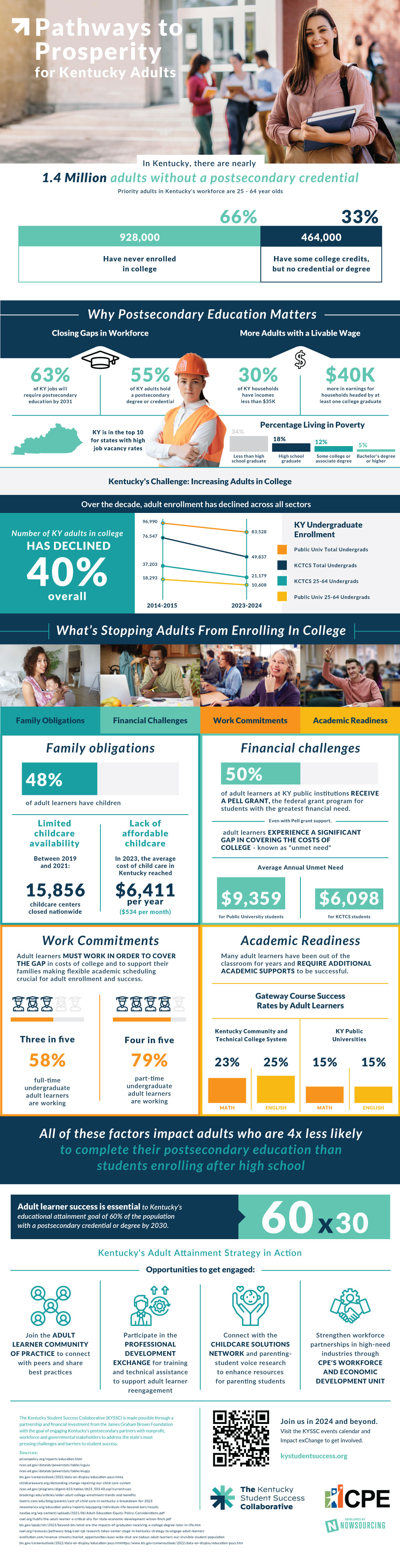
Kentucky has decided to undertake a massive effort to increase the number of college degrees among residents, in an initiative called 60×30. The goal is to ensure that 60% of adult state residents have a post-secondary degree by 2030, in order to boost the state’s job market and overall economy. Currently, there are 1.4 million adults in Kentucky that do not have a college degree completed and two-thirds have never attended college at all. Kentucky is already in the top ten states for job vacancies, and this gap will continue to increase if employers require college degrees and residents are not able to meet these requirements. 

There are many reasons why adult learners struggle to complete their degree. For one, many adult learners have not been in a classroom setting for years and often require additional academic support to be successful, which might not be in place at many colleges. Many adults also have conflicting work schedules and family responsibilities that might interfere with classes. This can be resolved with flexible learning options, like online or nighttime classes, as well as reasonably priced child care—which is currently lacking in Kentucky. These barriers must be removed in order to boost adult enrollment in higher education.

Pathways to Prosperity for Kentucky Adults
Source: Kentucky Student Success Collaborative

Optimizing the Talent Acquisition Process Using Direct Sourcing

0

More and more companies are using direct sourcing to improve the process of acquiring new and pre-identified talent. This method relies on organizing a talent community of skilled, invested contingent workers gained from talent curation and known populations then communicating with them directly without the use of a third-party staffing agency (i.e. newsletters, events, social platforms, etc.) so they can form a relationship with the company’s brand. It is important to curate these talent pools so the candidates included are always effective in meeting what the company is looking for in their next hire. 

Direct sourcing is not just a simple convenience; it is a robust talent sustainability engine that can prepare companies for the challenges of tomorrow. These include labor scarcity and increasing cost of employment. Other top benefits of leveraging direct sourcing are more quality candidates, faster hiring times, and greater candidate diversity. These improvements also improve the candidate experience and strengthen the employer brand with companies interacting more with candidates throughout the process, helping to build stronger connections. 

Direct sourcing can lead to higher return on investment (ROI) as well when those hired for contingent work become permanent employees. When direct sourcing populations are used to fill permanent positions, this can enhance the population in labor categories where there are more forecasted needs, further optimizing ROI. Direct sourcing is a productive talent acquisition strategy that effectively addresses the rise of the contingent workforce and finds the right candidates for companies more efficiently.

Why Direct Sourcing Matters for the Future of Work
Source: Atrium Global

Spend Less Time Looking for Components with a Component Search Engine  

0

When it comes to the coffee machine that makes our morning coffee or the car that helps us get to work, we don’t usually consider the number of parts involved in making the inventions that help us live our daily lives. These products are designed by industrial engineers who spend hours upon hours choosing and sourcing the right parts. But how do they actually do it? 

 There are several ways engineers collect component data for their designs. One is by redrawing the parts made by manufacturers in their preferred format. Another is by requesting data directly from the manufacturer. Engineers can also use user-generated resources for a larger selection of products or download design files from the manufacturer for very accurate data and up-to-date content. However, these options usually have various drawbacks such as providing limited formats or selection of brands and slower turnaround and revision time. 

These issues can be solved by using component search engines as they offer a larger variety of brands, products, and formats while also providing manufacturer-certified data. Component search engines have a wide selection of formats as well from PDF to CAD. Many design engineers waste hours trying to find component details, but by using a component search engine, they can find the needed parts faster and easier than before. 

Deconstructing the Things We Use Every Day: How Engineers Find, Source, and Design Components
Source: 3Dfindit.com

Different Kinds of Travel and Insurance That is Geared Towards Them

Traveling is a broad term that encompasses various types of journeys, each with its own set of risks and experiences. Whether you are embarking on a family vacation, an adventure trip, or traveling for business, travel insurance is essential to ensure peace of mind. Understanding the different types of travel and the insurance plans tailored to them can help you make an informed decision.

1. Leisure Travel

Leisure travel is one of the most common forms of travel, encompassing vacations, trips to visit family, or just a getaway for relaxation. Insurance for leisure travelers typically covers trip cancellations, delays, lost luggage, and emergency medical assistance. For instance, if a traveler has to cancel their vacation due to an unforeseen illness, trip cancellation insurance can help them recover the costs of flights, accommodations, and activities. Many plans also offer 24/7 assistance in case of emergencies like lost passports or medical emergencies abroad.

2. Adventure Travel

Adventure travel involves activities that are considered higher risk, such as hiking, skiing, scuba diving, or other extreme sports. Standard travel insurance may not cover injuries or accidents resulting from these types of activities, so adventure travelers should look for specialized insurance policies that cater to high-risk activities. These plans may cover emergency evacuations, medical expenses related to adventure sports, and even equipment loss or damage. For instance, if you break a leg while skiing, your adventure travel insurance can cover the medical costs that your regular policy might exclude.

3. Business Travel

Business travel often requires different coverage than leisure trips. Business travelers may need to protect valuable equipment such as laptops or presentation materials. In addition to trip cancellation and medical coverage, business travel insurance often includes coverage for lost or stolen business equipment, travel delay compensation, and even emergency replacement for key personnel if a business trip cannot be completed. Business insurance might also include legal liability coverage in case of disputes or incidents during the trip.

4. Student or Long-Term Travel

For students studying abroad or travelers planning extended stays, there are specific insurance plans that provide ongoing coverage for longer durations. These plans may include multi-trip coverage, extended medical care, and coverage for situations such as emergency evacuations or political unrest. Many student plans also cover school fees if the student has to return home due to medical or family emergencies along with include special accommodations due to them being in a younger age class.

5. Senior Travel

Seniors often face different health concerns when traveling, so they require specialized insurance policies that cater to their needs. Senior travel insurance focuses heavily on medical coverage, ensuring that pre-existing conditions are covered and that medical emergencies are handled promptly. Plans tailored to seniors may also include coverage for things like mobility aids or prescription medications lost during the trip.

In summary, each type of travel comes with its unique risks, and having the right insurance plan can provide essential protection. Tailoring insurance to the type of travel you’re undertaking ensures that you are covered for potential risks, allowing you to enjoy your journey with peace of mind.

How to Successfully Maximize Weight Loss with GLP-1 Coaching

0

Are you struggling to shed those stubborn pounds despite trying various diets and exercise regimes? If so, GLP-1 coaching might be the game-changer you need. GLP-1 (glucagon-like peptide-1) is a hormone that plays a crucial role in appetite regulation and glucose metabolism. By leveraging GLP-1 coaching, you can harness the power of this hormone to achieve your weight loss goals more effectively. For an in-depth understanding of the benefits and methodology, you can explore more here.

What is GLP-1 and How Does it Work?

GLP-1 is a naturally occurring hormone that helps regulate appetite, insulin secretion, and blood sugar levels. When you eat, GLP-1 is released from the intestines and signals your brain that you’re full, reducing your appetite. It also slows down the rate at which your stomach empties, which means you feel fuller for longer. Additionally, GLP-1 stimulates insulin production and inhibits glucagon release, helping to stabilize blood sugar levels.

Why GLP-1 Coaching?

While medications that mimic the effects of GLP-1 are available, successfully implementing these changes requires more than just medication. This is where GLP-1 coaching comes into play. A coach can provide personalized guidance, support, and accountability, making it easier to stick to your weight loss plan. Here are some tips to maximize weight loss with GLP-1 coaching:

1. Set Realistic Goals

Begin by setting clear, achievable goals. Your coach will help you understand what is realistic based on your current weight, lifestyle, and health condition. Remember, weight loss is a gradual process, and setting unrealistic expectations can lead to disappointment and burnout.

2. Personalized Meal Plans

One of the most significant benefits of GLP-1 coaching is the creation of personalized meal plans. Your coach will work with you to develop a diet that suits your taste preferences and nutritional needs while optimizing GLP-1’s effects. Focus on incorporating high-fiber foods, lean proteins, and healthy fats to keep you feeling full and satisfied.

3. Incorporate Regular Exercise

Exercise is an essential component of any weight loss strategy. Your coach will help you design a workout plan that complements your diet and maximizes the benefits of GLP-1. Aim for a mix of cardio, strength training, and flexibility exercises to achieve the best results.

4. Monitor Progress

Regular monitoring and adjustments are crucial for long-term success. Your coach will track your progress, make necessary changes to your meal and exercise plans, and provide ongoing support. This helps you stay motivated and ensures that you’re always on the right track.

5. Stay Hydrated

Hydration is often overlooked but plays a vital role in weight loss. Drinking plenty of water helps control hunger and boosts metabolism. Your coach will remind you to stay hydrated and may even suggest incorporating hydrating foods like fruits and vegetables into your diet.

6. Mental and Emotional Support

Weight loss isn’t just a physical challenge; it’s also a mental and emotional one. A coach provides the emotional support needed to overcome obstacles and setbacks. They can help you develop a positive mindset and coping strategies, making it easier to stay committed to your weight loss journey.

7. Education and Awareness

Knowledge is power, and understanding how GLP-1 works can make a big difference in your weight loss efforts. Your coach will educate you on the science behind GLP-1, helping you make informed decisions about your health and nutrition.

Conclusion

Maximizing weight loss with GLP-1 coaching involves a comprehensive approach that includes goal setting, personalized meal plans, regular exercise, progress monitoring, hydration, mental support, and education. By following these steps and working closely with a knowledgeable coach, you can achieve your weight loss goals more effectively and sustainably.

Beyond the Box Nutrition is dedicated to helping individuals achieve their health and wellness goals through personalized nutrition coaching and cutting-edge strategies. Discover more about their innovative services at Beyond the Box Nutrition.