Home Blog Page 44

Best Practices for Managing Your IT Services Partnership

0

IT services partnership is a strategic collaboration between an organization and an external service provider, where the service provider offers their expertise in managing the organization’s IT infrastructure and applications. This partnership model has become increasingly popular in recent years as organizations look for cost-effective ways to manage their IT needs while staying updated with technological advancements.

Managing an IT services partnership can be challenging, especially when dealing with multiple vendors and complex systems. However, following best practices can help organizations effectively manage their IT services partnerships and achieve mutual success.

Understanding Your Needs

Before entering into any IT services partnership, it is crucial to have a clear understanding of your organization’s IT needs. This includes identifying areas where you require the most support and defining your objectives and goals for the partnership.

Having a thorough understanding of your needs will help you in selecting the right service provider and ensure that their services align with your business objectives. It also allows for better communication and establishes expectations from both parties.

Establishing Clear Communication Channels

Effective communication is key to any successful partnership, especially when it comes to managing IT services. It is important to establish clear channels of communication between all parties involved in the partnership, including internal stakeholders and external vendors.

Regular meetings, updates, and reports should be scheduled to ensure that all parties are on the same page and any issues or concerns can be addressed promptly. Transparent communication also helps in building trust and maintaining a strong working relationship.

Setting Realistic Expectations

When entering into an IT services partnership, it is essential to set realistic expectations from the beginning. This includes clearly defining roles, responsibilities, and deliverables for both parties. It is important to have these expectations documented in a formal agreement or contract to avoid any misunderstandings in the future.

Setting realistic expectations also involves having a clear understanding of service level agreements (SLAs) and performance metrics. These should be agreed upon and regularly reviewed to ensure that the service provider is meeting the expected standards.

Establishing a Governance Model

A governance model is critical for managing an IT services partnership. It outlines the decision-making processes, communication protocols, and escalation procedures for any issues or conflicts that may arise during the partnership.

Having a governance model in place ensures that all parties are on the same page and provides a structure for effectively managing the partnership. This can also help in resolving any disputes quickly and maintaining a good working relationship.

Regular Performance Reviews

Regular performance reviews are essential for evaluating the effectiveness of an IT services partnership. These reviews should include all key stakeholders and assess the service provider’s performance against agreed-upon metrics and objectives.

Performance reviews also provide an opportunity to discuss any concerns or areas for improvement. It is important to have open and honest communication during these reviews to ensure that the partnership remains mutually beneficial.

Continuous Improvement

Managing an IT services partnership should not be a one-time effort, but an ongoing process of continuous improvement. This involves regularly reviewing processes, identifying opportunities for optimization, and implementing changes to enhance efficiency and effectiveness.

Continuous improvement also includes staying updated with technological advancements and ensuring that the partnership is evolving along with your organization’s changing needs.

Conclusion

Effective management of an IT services partnership requires a proactive and collaborative approach. By following these best practices, organizations can ensure a successful partnership that meets their business objectives and contributes to their overall success. Remember to communicate openly, set clear expectations, and regularly review and improve the partnership for mutual benefit.  So, it is important for both parties to have a shared vision and work together towards achieving common goals. By implementing these best practices, organizations can build strong and long-lasting IT services partnerships that drive growth and innovation.


Best Business Practices for Beginner Entrepreneurs

If you’ve been hit with the entrepreneurial Spirit, then you’re likely trying to establish your very own business. There’s no denying the fact that a lot goes into having a successful business. We’re going to provide our best business practices to help set you up for future success.

Budget

When you start to get your business up and running, it can be very easy to spend money on many different things you think you need to have. It’s never a good idea to spend money until you have an adequate budget. Instead of thinking of a budget as a constraint, think of it as your financial security blanket. A budget will allow you to spend money up to your set amount without having to worry about whether or not you can afford it.

Use Appropriate Checks

When you first set up your business checking account, the banks are likely to supply you with typical checks. These manual checks can be inconvenient and may not showcase your company’s logo. It’s a good idea to update and use computer checks that can be linked with accounts like your QuickBooks account. This will help to streamline your check writing and allow you to customize the look of your checks to better represent your new business.

Have Your Business Mission Written Down

When first starting your new business, you need to construct a business plan. This plan should have your mission written out. It should include the products or services that you intend to offer and your overall goals as a company. This will give you clear guidance going into the future so that you can always make decisions that align with your company’s overall mission. Without a business plan, it can be easy to get off-track when new opportunities arise.

Opt For Outsourcing

One of the biggest mistakes that new business owners make is not outsourcing tasks. Rather, they try to do everything themselves. This leads to overwhelming and typically less-than-perfect results. By outsourcing your needs, you can have someone who specializes in that particular area take care of them to ensure quality results every time. This will free up your time for more important tasks that you’re better experienced to handle.

Get Involved in Networking

Every good business owner knows the importance of networking. A great place to start is with local professional organizations. Consider joining any organizations in your business’s industry and attending meet-ups that they offer. This will allow you to associate with like-minded people who can provide you with knowledge and give you that much-needed motivation to keep moving forward. The wider you can expand your professional network, the more people you can rely on for help when you need it the most.

When you’re just starting as a new business owner, life can seem overwhelming every day, to say the least. By following the best practices that we went over above, you can help simplify your day. This will allow you extra time each day to focus on growing your business instead of just managing it.

Leveraging the Synergy of Affiliate Marketing PR

Incorporating affiliate marketing PR strategies into your business approach can further enhance the effectiveness of your affiliate partnerships. By proactively engaging in affiliate marketing PR, you can align your brand messaging with the values and goals of your affiliates, ensuring a cohesive and compelling narrative that resonates with your target audience. Building strong relationships with affiliate partners through effective communication and PR efforts can foster collaboration, trust, and mutual success in driving business growth through affiliate marketing initiatives.

Transforming Your Space: The Growing Popularity of Custom Home Renovations

For many homeowners, a house is more than just a place to live—it’s a reflection of personal style, a hub for family life, and an investment in the future. Over time, however, even the most beloved home can begin to feel outdated or impractical. Whether it’s a kitchen that no longer meets the needs of a growing family, a bathroom with aging fixtures, or a layout that doesn’t fit modern living, more people are choosing to upgrade rather than relocate.

Why Renovation Is on the Rise

One reason for the boom in home renovations is the changing real estate market. In many areas, the cost of buying a new home has skyrocketed, making moving less attractive. Instead, homeowners are turning inward and reimagining their current spaces. This approach allows them to keep the neighborhood, schools, and commute they love while tailoring the house to suit their lifestyle.

Another driver is the shift toward remote work. With more people working from home at least part of the week, the need for functional office spaces has skyrocketed. Guest bedrooms are being converted into dual-purpose offices, basements are becoming quiet work zones, and open-concept areas are being reconfigured to provide privacy and focus.

The Power of Personalization

Unlike basic updates, Custom Home Renovations give homeowners the ability to personalize every detail. Instead of settling for off-the-shelf solutions, they can choose everything from the cabinetry style and floor plan to lighting design and built-in features.

Custom renovations are especially popular for kitchens and bathrooms, where small design choices can make a big difference in functionality. Features like soft-close drawers, under-cabinet lighting, and walk-in pantries can turn a standard kitchen into a dream space. In bathrooms, spa-like showers, heated floors, and clever storage create a feeling of luxury while adding daily convenience.

Balancing Style and Function

One of the key goals of any renovation is to strike a balance between style and function. Homeowners want spaces that are beautiful, but they also need them to work for daily living. That’s why planning is critical. Before beginning any project, it’s helpful to think about how the space is used and what problems need to be solved.

For instance, families might prioritize durable finishes and easy-to-clean surfaces. Entertainers might want open layouts and plenty of counter space. Professionals working from home may need soundproofing or built-in desks to maximize productivity.

The Role of Professional Guidance

While DIY projects can be rewarding, major renovations benefit from professional expertise. Architects, designers, and contractors can help homeowners make the most of their budget, avoid common pitfalls, and ensure projects meet local building codes. They also provide valuable insight into what upgrades will add the most long-term value to the home.

Adding Value Beyond the Present

Custom renovations aren’t just about making a home more enjoyable today—they can also boost resale value. Modern kitchens, updated bathrooms, and well-designed outdoor living spaces are consistently among the top features buyers look for. Even if selling isn’t on the immediate horizon, these improvements can offer a strong return on investment later.

Final Thoughts

Renovation can feel daunting at first, but the results are often transformative. By thoughtfully upgrading spaces, homeowners can create a house that truly fits their lifestyle while adding comfort, functionality, and value.

In an era where personalization and practicality are equally prized, custom renovations offer the best of both worlds—turning ordinary houses into extraordinary homes.

The New Reign of Bully Breeds

0

Bully breeds are the clear winners when considering the list of America’s most beloved dogs. They make up 20% of America’s canine pet population, which is approximately 18 million dogs throughout the nation. They are the most popular breed in a whopping 21 states, especially in regions such as the South, Northeast, and Midwest. In fact, bully breeds dominated 15 of the top 100 most registered dogs in the United States, according to the American Kennel Club (AKC). French bulldogs took a clear win, beating out the Labrador Retriever for the most registrations in 2022, which dethroned Labs from a 31 year streak. 

Bully breeds are an extremely diverse category of dogs, with only their shared ancestry from English bulldogs and a good natured temperament to unite them. Bully breeds now hail from all over the world- for example, the Cane Corso was registered in Italy in 2010, the Dogue de Bordeaux was registered in France in 2008, and the Dogo Argentino was registered in Argentina in 2020. There are now over 50 registered breeds of terrier type dogs. These bully breeds will only continue to grow a soft spot in the hearts of dog lovers around the world.

The Most Popular Bully Breeds in the United States

The Top 5 Challenges Managed IT Support Can Help Your Business Solve

0

In today’s fast-paced digital landscape, businesses face numerous IT challenges that can hinder productivity and growth. Managed IT support services offer a strategic solution to tackle these issues, ensuring that your operations run smoothly and efficiently. Here are the top five challenges that managed IT support can help your business solve.

1. Cybersecurity Threats

One of the most significant concerns for businesses today is cybersecurity. With the increasing frequency of cyberattacks, safeguarding sensitive data has never been more critical. Managed IT support services provide comprehensive security measures, including:

  • Real-time monitoring and threat detection: Proactively identifying and mitigating threats to minimize damage.
  • Regular security audits: Ensuring that your systems are up-to-date and compliant with industry standards.
  • Employee training programs: Educating your team on best practices to reduce the risk of human error.

By leveraging these services, businesses can protect themselves against data breaches, ransomware attacks, and other cyber threats.

2. Data Management and Backup

Efficient data management is crucial for any business. Losing valuable data can result in significant financial and reputational damage. Managed IT support services offer robust data management solutions, including:

  • Automated backups: Regularly scheduled backups to ensure data is never lost.
  • Data recovery plans: Strategies to quickly restore data in the event of a loss.
  • Cloud storage solutions: Secure and scalable options for storing large volumes of data.

These services ensure that your data is always accessible, secure, and easily recoverable.

3. Scalability and Flexibility

As your business grows, so do your IT needs. Managed IT support provides the scalability and flexibility required to adapt to these changes. Key benefits include:

  • On-demand resources: Access to additional IT resources as needed, without the hassle of hiring and training new staff.
  • Customized solutions: Tailored IT strategies that align with your business goals and growth plans.
  • Cost efficiency: Flexible pricing models that allow you to scale your IT services up or down based on your current needs.

This adaptability ensures that your IT infrastructure can grow seamlessly with your business.

4. Downtime and Technical Issues

Downtime can be incredibly costly for businesses, leading to lost revenue and decreased productivity. Managed IT support services help minimize downtime by:

  • 24/7 monitoring and support: Ensuring that technical issues are addressed promptly and efficiently.
  • Preventive maintenance: Regular system checks and updates to prevent potential problems.
  • Rapid response times: Quick resolution of issues to get your systems back online as soon as possible.

By providing reliable IT support, businesses can maintain continuity and avoid disruptions.

5. Compliance and Regulatory Requirements

Navigating the complex landscape of compliance and regulatory requirements can be challenging. Managed IT support services help businesses stay compliant by:

  • Regular audits and assessments: Identifying potential compliance issues and addressing them proactively.
  • Policy development and implementation: Creating and enforcing IT policies that adhere to industry standards and regulations.
  • Documentation and reporting: Maintaining thorough records to demonstrate compliance during audits.

These services ensure that your business meets all necessary legal and regulatory requirements, reducing the risk of fines and penalties.

Keep Your Operations Running Smoothly

Managed IT support services offer a comprehensive solution to address the top IT challenges faced by businesses today. From enhancing cybersecurity to ensuring compliance, these services provide the expertise and resources needed to keep your operations running smoothly. By partnering with a managed IT support provider, businesses can focus on their core activities while leaving the technical complexities to the experts.

Top Trends in Healthcare IT Services for 2024

0

The healthcare landscape is constantly evolving, and technology is at the forefront of this transformation. With the rapid advancements in IT services, healthcare providers are now able to offer more efficient, personalized, and effective care. Here are the top trends in healthcare IT services for 2024 that are set to revolutionize the industry.

1. Telemedicine and Remote Care

Telemedicine has been a game-changer, and its growth shows no signs of slowing down in 2024. The rise of remote care has made healthcare more accessible, especially for those in rural or underserved areas. With advancements in video conferencing technology, patients can now consult with specialists without leaving their homes. Additionally, remote monitoring tools allow healthcare providers to track patients’ health metrics in real-time, leading to more proactive and preventive care.

2. Artificial Intelligence and Machine Learning

Artificial Intelligence (AI) and Machine Learning (ML) are making significant strides in healthcare. These technologies are being used to analyze vast amounts of data, predict patient outcomes, and even assist in diagnosing diseases. AI algorithms can sift through medical records and identify patterns that might be missed by human eyes, leading to earlier detection of conditions and more personalized treatment plans.

3. Electronic Health Records (EHR) Optimization

Electronic Health Records have been a part of healthcare for some time now, but 2024 will see a push towards optimizing these systems. Integration with other healthcare IT services, improved user interfaces, and enhanced data security measures will make EHRs more efficient and user-friendly. This optimization will allow healthcare providers to focus more on patient care rather than administrative tasks.

4. Cybersecurity Enhancements

With the increase in digital health services, cybersecurity has become a critical concern. Healthcare organizations are prime targets for cyberattacks due to the sensitive nature of the data they handle. In 2024, we can expect to see more robust cybersecurity measures, including advanced encryption, multi-factor authentication, and continuous monitoring to protect patient information and maintain trust.

5. Data Interoperability

Data interoperability is essential for seamless healthcare delivery. In 2024, there will be a greater emphasis on creating systems that can easily share and interpret data across different platforms and providers. This interoperability will facilitate better coordination of care, reduce redundancies, and ensure that healthcare providers have access to complete and accurate patient information.

6. Wearable Health Technology

Wearable health technology, such as smartwatches and fitness trackers, is becoming increasingly popular. These devices can monitor a range of health metrics, from heart rate to sleep patterns, and provide valuable data to healthcare providers. In 2024, we can expect more sophisticated wearables that offer deeper insights into patients’ health and help tailor personalized care plans.

7. Blockchain in Healthcare

Blockchain technology is emerging as a powerful tool in healthcare IT services. Its decentralized nature ensures that data is secure, transparent, and immutable. In 2024, blockchain will be used to streamline administrative processes, improve patient data management, and enhance the security of electronic health records. This technology will also facilitate better patient consent management and data sharing.

Stay Ahead of the Trends

The trends in healthcare IT services for 2024 point towards a future where technology plays an integral role in improving patient care. From telemedicine to blockchain, these advancements are set to make healthcare more efficient, personalized, and secure. Providers who stay ahead of these trends will be well-positioned to offer the best possible care to their patients.

Social Media Strategies: Effective Tips to Grow Your Following

0

To grow your social media following, consistently providing valuable content and engaging with your audience is essential. In today’s digital age, knowing which strategies work best can make all the difference in expanding your reach. Understanding your target audience and creating content that resonates with them are key steps in fostering long-term engagement.

Creating a compelling brand story helps establish a connection with followers. Visual storytelling through high-quality images and videos not only captures attention but also keeps your audience interested. It’s also crucial to leverage analytics to monitor which posts perform best and adjust your strategy accordingly.

Interacting with followers by responding to comments and messages helps build a community feeling. Hosting giveaways or collaborating with influencers can also significantly boost your visibility. By integrating these strategies, anyone can see noticeable growth in their social media follower count.

Building a Strong Foundation

A solid foundation is crucial for growing your social media following. This involves understanding who your audience is, developing a content strategy, and maintaining a consistent brand voice.

Defining Your Target Audience

Knowing who you’re trying to reach is the first step. Identifying demographics like age, gender, location, interests, and behaviors will help tailor your content.

Surveys and social media analytics tools can provide valuable insights.

Create audience personas:

  • Age range
  • Gender
  • Interests
  • Pain points

Understanding these aspects will guide the content creation process, ensuring your posts resonate with your followers. Tailor your strategy to meet the specific needs and preferences of your target audience.

Creating a Content Strategy

A robust content strategy is vital for keeping your audience engaged. Determine the types of content that will appeal to your target audience, such as blog posts, videos, infographics, or interactions.

Content Mix:

  • Educational: How-to guides, tutorials
  • Entertaining: Memes, behind-the-scenes content
  • Engaging: Polls, Q&A sessions

Consistency is key. Post regularly and plan content ahead using a content calendar. Utilize analytics to track performance and refine your strategy over time. This approach ensures not only relevance but also timely delivery of content.

Establishing a Consistent Brand Voice

A consistent brand voice helps in building trust and recognition. Define the tone and style of communication that reflects your brand’s personality.

Voice Attributes:

  • Formal or casual
  • Humorous or serious
  • Friendly or professional

Use this voice consistently across all platforms. This includes captions, replies to comments, and any other interactions with your audience. A clear and consistent brand voice makes your content easily identifiable and strengthens the connection with your followers.

Engagement and Growth Tactics

Growing a social media following requires a mix of strategic engagement and growth-focused tactics. Effective use of hashtags, leveraging user-generated content, collaborating with influencers, and continually analyzing metrics play crucial roles.

Utilizing Hashtags Effectively

Hashtags increase content visibility and reach. To use them effectively, one should research popular and relevant hashtags in their niche. Tools like Hashtagify or RiteTag can help identify trending hashtags. Mixing commonly used hashtags with niche-specific ones improves chances of reaching a targeted audience.

Bullet points help organize specific tips:

  • Research relevant hashtags.
  • Mix popular and niche-specific tags.
  • Use branded hashtags to foster community.

Avoid overloading posts with too many hashtags, as it can appear spammy. 5-10 well-chosen hashtags often yield better engagement.

Leveraging User-Generated Content

User-generated content (UGC) adds authenticity and encourages community participation. By sharing customer photos, reviews, or testimonials, brands build trust. Encourage followers to create content by hosting contests or featuring UGC in stories.

Key tactics include:

  • Encourage followers with contests.
  • Feature customer stories and images.
  • Use branded hashtags to collect UGC.

UGC serves as social proof and builds a sense of community. Responding to and recognizing contributors enhances engagement further.

Collaborating with Influencers

Influencer collaboration expands reach and credibility. Identifying influencers who align with brand values ensures authentic partnerships. Micro-influencers, with smaller but highly engaged audiences, often yield better results than those with massive followings.

Steps to follow:

  • Identify relevant influencers.
  • Establish clear collaboration goals.
  • Measure the impact of partnerships.

Crafting genuine relationships with influencers can lead to loyal followers and enriched engagement. Transparency and mutual respect form the foundation of successful collaborations.

Analyzing and Adapting to Metrics

Regularly analyzing metrics ensures strategies remain effective and can uncover areas needing improvement. Key performance indicators (KPIs) include engagement rates, follower growth, and post reach.

Important actions to take:

  • Track KPIs using tools like Google Analytics or native platform insights.
  • Adjust strategies based on data findings.
  • Experiment with different content types and posting times.

By adapting to what the metrics reveal, social media strategies become dynamic, evolving to better meet followers’ needs and preferences.

Maintaining Clearinghouse Function with Redundancy

0

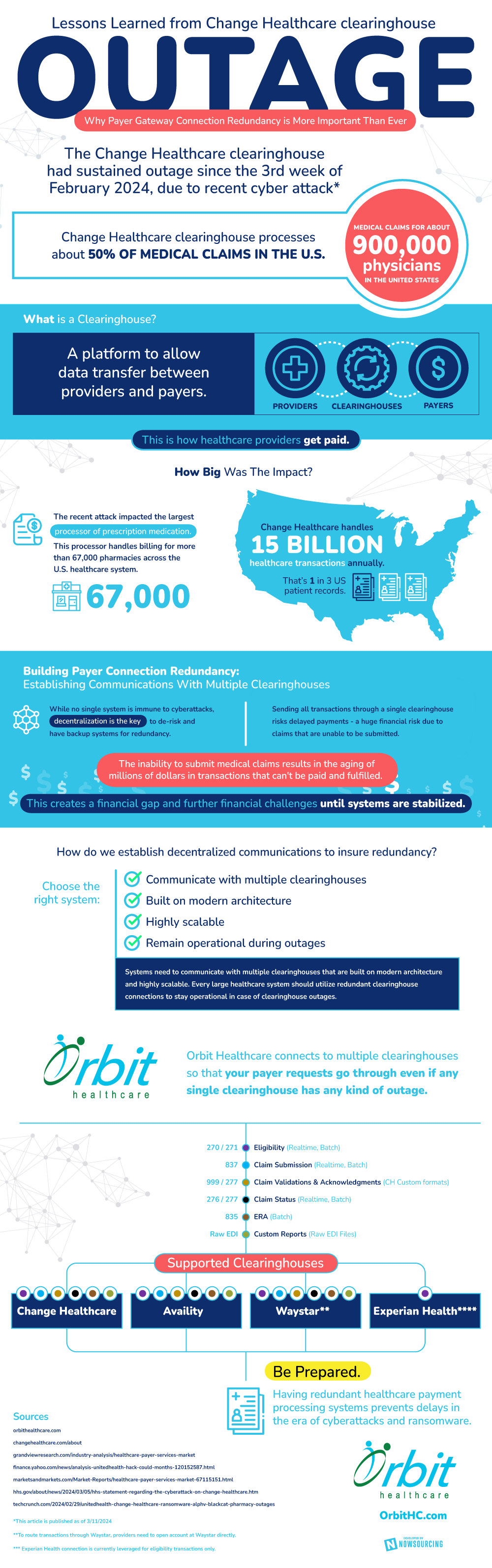
Since the third week of 2024, the Change Healthcare clearinghouse has had a sustained outage.  This outage is worrisome, impacting thousands of physicians and payers, and provides important lessons on how to avoid similar situations in the future. 

Clearinghouses are platforms that support data transfer between providers and payers.  Healthcare providers get paid through clearinghouses.  For example, Change Healthcare clearinghouse processes medical claims for about 900,000 physicians in the United States, ensuring that the flow of payments is running smoothly.  

However, when an outage occurs do to a cyber attack this flow is interrupted.  The inability to submit medical claims causes millions of dollars in transactions to age because they cannot be paid and fulfilled.  This leads to a financial gap and additional financial challenges until stability is reached once more. 

Clearly, avoiding outages is important.  One way to do this is through payer gateway connection redundancy.  This redundancy establishes connections between multiple clearinghouses, decentralizing systems and allowing for backup plans.  If one clearinghouse faces an outage, others can step up and maintain the flow of payments. 

Clearinghouses are a key aspect of the healthcare system, supervising transactions and payments.  When they face outages, significant consequences can follow, making redundancy and decentralizing important areas to improve.  With a redundant system, outages will not have the same crippling effect, and medical claims can continue to be submitted, paid, and fulfilled.

Lessons Learned from the Change Healthcare Cyberattack
Source: Orbit Healthcare

Health and Wellness Trends in Commercial Pool Construction

0

Commercial pools are facilities that are designed and built for public use, such as in hotels, resorts, community centers, or water parks. Over the years, commercial pool construction has evolved to include not just recreational swimming or relaxation but also health and wellness features. In this article, we will explore the latest trends in commercial pool construction that cater to the growing demand for health and wellness activities.

Aquatic Fitness

Aquatic fitness is a popular trend in commercial pool construction. It involves performing various exercises and movements in the water to improve strength, endurance, and flexibility. Aquatic fitness classes can be conducted using equipment such as underwater treadmills, stationary bikes, and resistance bands. These classes are low-impact and provide a refreshing alternative to traditional gym workouts. Many commercial pools now offer dedicated spaces for aquatic fitness classes with special flooring and equipment. This trend is expected to continue as more people recognize the benefits of exercising in water.

Hydrotherapy

Hydrotherapy, also known as water therapy, involves using warm water jets and jets of air bubbles to massage specific areas of the body. It can help alleviate muscle tension, joint pain, and improve circulation. Commercial pool construction now includes hydrotherapy features like **waterfalls, hot tubs, and whirlpools. These features not only enhance the overall experience of using a commercial pool but also provide therapeutic benefits for users.

Saltwater Pools

While traditional pools use chlorine to keep the water clean and sanitized, saltwater pools are becoming increasingly popular in commercial pool construction. Saltwater pools use a salt chlorine generator to convert salt into chlorine, resulting in a gentler and more natural way of keeping the water clean. This trend is especially appealing to those with sensitive skin who may experience irritation from traditional chlorinated pools. Additionally, saltwater pools require less maintenance and have a longer lifespan compared to traditional pools. As more people become aware of the benefits of saltwater pools, this trend is expected to continue.

Eco-Friendly Design

Sustainable practices and eco-friendly materials are gaining popularity in all industries, including commercial pool construction. Pool builders are now using energy-efficient pumps and filters, LED lighting, and recycled materials for decking and pool liners. The use of eco-friendly design not only reduces the carbon footprint but also lowers operating costs for commercial pools. With increasing awareness about environmental conservation, this trend is likely to continue in the future.

Immersive Experiences

Commercial pool construction now includes features that provide an immersive and sensory experience for pool users. This could include music systems, lighting effects, and even virtual reality technology. These features not only enhance the overall atmosphere of a commercial pool but also make it more appealing to customers looking for unique and memorable experiences.

Conclusion

As you can see, commercial pool construction has come a long way from just providing a space for recreational swimming. The latest trends in health and wellness have led to the incorporation of various features such as aquatic fitness areas, hydrotherapy options, saltwater pools, eco-friendly design, and immersive experiences. As people become more conscious about their health and well-being, we can expect to see further advancements in commercial pool construction that cater to these needs.

The Role of Managed IT in Disaster Recovery and Business Continuity

0

In today’s digital age, businesses rely heavily on technology for their day-to-day operations. With this dependency comes the necessity for robust disaster recovery and business continuity plans. Managed IT services have emerged as a crucial component in ensuring that enterprises can weather unforeseen disruptions and maintain operational integrity. This article explores the significant role managed IT plays in disaster recovery and business continuity.

Understanding Disaster Recovery and Business Continuity

Before we dive into the specifics of managed IT, it’s important to understand what disaster recovery (DR) and business continuity (BC) entail.

  • Disaster Recovery refers to the methodologies and tools used to restore IT systems after a disruptive event, such as natural disasters, cyber-attacks, or hardware failures.
  • Business Continuity is the overarching plan that ensures that essential business functions can continue during and after a disaster.

Together, DR and BC are critical for minimizing downtime and financial loss, safeguarding data, and ensuring that business operations can resume quickly.

The Role of Managed IT Services

Managed IT services offer a proactive approach to disaster recovery and business continuity. Here’s how:

1. Proactive Monitoring and Maintenance

Managed IT providers continuously monitor your systems for potential issues, addressing them before they escalate into major problems. This proactive approach helps in identifying vulnerabilities that could compromise your disaster recovery plan and ensures that your systems remain in optimal condition.

2. Data Backup and Recovery Solutions

Data is the lifeblood of modern businesses. Managed IT services ensure regular and secure backups of your critical data. In the event of data loss, these services provide swift recovery options, minimizing downtime and ensuring that your business can quickly get back on track.

3. Comprehensive Disaster Recovery Plans

Managed IT providers work with businesses to develop comprehensive disaster recovery plans tailored to their specific needs. These plans include detailed steps for data recovery, communication protocols, and alternative operational procedures, ensuring that every aspect of the business is prepared for potential disruptions.

4. Cloud Solutions

Cloud computing has revolutionized disaster recovery and business continuity. Managed IT services often include cloud-based solutions, which provide scalable, cost-effective, and secure storage options. In the event of a disaster, cloud solutions allow for quick data recovery and remote access to essential business applications, ensuring that operations can continue uninterrupted.

5. Cybersecurity Measures

Cyber-attacks are a significant threat to business continuity. Managed IT services implement robust cybersecurity measures, including firewalls, anti-virus software, and intrusion detection systems. These measures help in preventing cyber-attacks and ensuring that your disaster recovery plan is not compromised.

6. Regular Testing and Updates

A disaster recovery plan is only as good as its implementation. Managed IT providers regularly test and update your DR and BC plans to ensure they remain effective and relevant. This includes conducting simulated disaster scenarios to identify any weaknesses and make necessary improvements.

Benefits of Managed IT in Disaster Recovery and Business Continuity

Reduced Downtime

By proactively monitoring systems, implementing robust recovery plans, and conducting regular testing, managed IT services significantly reduce downtime. This ensures that your business can continue operations with minimal disruption.

Cost Savings

Investing in managed IT services can lead to significant cost savings. By preventing disasters through proactive measures and ensuring quick recovery when they occur, businesses can avoid the substantial financial losses associated with extended downtime and data loss.

Peace of Mind

Knowing that your business is prepared for any eventuality provides peace of mind. Managed IT services take the burden of disaster recovery and business continuity off your shoulders, allowing you to focus on your core business activities.

Expertise and Support

Managed IT providers bring a wealth of expertise and experience to the table. Their specialized knowledge ensures that your disaster recovery and business continuity plans are comprehensive, effective, and up-to-date with the latest industry standards and technologies.

Safeguard Your Business’s Future

In an era where technology is integral to business operations, having a robust disaster recovery and business continuity plan is non-negotiable. Managed IT services play a pivotal role in ensuring that businesses can quickly recover from disruptions and continue their operations seamlessly. By leveraging the expertise and resources of managed IT providers, businesses can safeguard their data, reduce downtime, and ultimately achieve greater resilience in the face of adversity.