Home Blog Page 53

Understanding the Role of a Paralegal in Law

0

Introduction:

The legal profession is a complex and multifaceted field, requiring not only the expertise of lawyers but also the assistance of paralegals. A paralegal is a professional who provides support to lawyers, law firms, and corporations. They are an integral part of the legal team and play a vital role in the legal process. This article will explore the role of a paralegal in law and highlight their importance.

For Those Who Want to Know More Info: globenewswire.com

What is a Paralegal?

A paralegal, also known as a legal assistant, is a professional who assists lawyers in various legal tasks. They are not licensed to practice law but work under the supervision of attorneys. A paralegal’s role can vary depending on the firm or organization they work for, but their primary duties include conducting legal research, drafting legal documents, organizing files, and assisting with client communication.

Education and Training:

To become a paralegal, a person must have a high school diploma or equivalent. However, many employers prefer candidates with an associate’s degree or a bachelor’s degree in paralegal studies. Paralegal programs typically take two years to complete and cover a variety of legal topics, such as civil litigation, criminal law, and legal writing. Some programs also offer internships or other practical training opportunities.

Skills and Qualifications:

A successful paralegal should have excellent organizational skills, attention to detail, and the ability to multitask. They should also have strong communication skills, both written and verbal, as they will be communicating with clients, witnesses, and other legal professionals. Additionally, a paralegal should have knowledge of legal terminology, research methods, and computer software used in the legal industry.

Roles and Responsibilities of a Paralegal:

  1. Legal Research: One of the primary responsibilities of a paralegal is to conduct legal research. This involves searching legal databases, analyzing case law, and preparing legal briefs. Paralegals often work closely with lawyers to help them prepare for trials and other legal proceedings.
  2. Drafting Legal Documents: Paralegals also assist lawyers in drafting legal documents, such as contracts, agreements, and pleadings. They may also be responsible for preparing legal correspondence and organizing case files.
  3. Litigation Support: In addition to legal research and document drafting, paralegals may also provide litigation support. This includes preparing witnesses for trial, organizing exhibits, and assisting with depositions.
  4. Client Communication: Paralegals may also be responsible for communicating with clients. They may assist in scheduling appointments, answering client inquiries, and providing updates on the status of a case.
  5. Administrative Tasks: Paralegals may also perform administrative tasks such as filing documents with the court, scheduling appointments, and maintaining the law firm’s calendar.

More details: The Impact of Artificial Intelligence on the Legal Industry

The Importance of Paralegals in Law:

Paralegals are an essential part of the legal team and play a crucial role in the legal process. They help lawyers to work more efficiently, allowing them to focus on the more complex legal issues. By taking care of administrative tasks, paralegals can help lawyers to be more productive and better serve their clients.

Moreover, paralegals help to reduce the cost of legal services. Since paralegals are not licensed attorneys, they can perform many of the same tasks as attorneys but at a lower cost. This makes legal services more accessible to people who may not be able to afford the high fees charged by attorneys.

Conclusion:

In conclusion, a paralegal is an essential member of the legal team. They assist lawyers in various legal tasks, including legal research, document drafting, and client communication. Paralegals play a critical role in the legal process, helping lawyers to work more efficiently and reducing the cost of legal services.


The Winds of Change for Cannabis Legislation

0

The recreational use of marijuana is something that has been heavily debated in the past several years. Now, in 2023, the use of the substance is more accepted than ever, with only 2 states not approving of CBD or marijuana use at all. The United States as a whole is warming up to the idea of legal cannabis, with nearly 60% supporting both medical and recreational use.

By state, Idaho and Nebraska are the only two states where no form of cannabis is legal. However, states like Texas, Wyoming, Iowa, and nine others have only legalized CBD. Although CBD is actually legal at a federal level, the rest of the country has taken a step further into the realm of recreational use.

CBD is generally more widely accepted on a state-by-state basis, but many experts are predicting that change is inevitable. Tyler McFadden, a board member of BOWL PAC believes that “[legalization] might not be tomorrow, it might not even be next year, but as long as we’re doing something about it now, we’ll reach it faster…” The bottom line remains that CBD and marijuana legislation is constantly in flux, with more changes coming in the near future.

States such as Ohio, Oklahoma, and Pennsylvania are ones to keep an eye on, as research predicts that they, along with several other states, may approve recreational marijuana use by 2030. Federal regulations may be shifting as well, leaving the country in a state of change that will only develop further in the coming years.

Cannabis Legislation by State
Source: BestCBDOils.org

The Impact of Artificial Intelligence on the Legal Industry

0

Introduction

Artificial Intelligence (AI) has revolutionized several industries, including healthcare, finance, and transportation. Today, AI is increasingly transforming the legal industry by improving efficiency, accuracy, and cost-effectiveness in various legal processes. With the rapid development of AI technologies, the legal profession is experiencing significant changes that will reshape the way legal services are delivered. This article explores the impact of AI on the legal industry and how it is changing the way lawyers work.

For Those Who are Interested in Gaining More Info: crunchbase.com

Automating repetitive tasks

One of the most significant impacts of AI in the legal industry is its ability to automate repetitive tasks. For example, AI can be used to review contracts, identify relevant information, and extract data more efficiently than humans. This not only reduces the time taken to complete these tasks but also minimizes the chances of errors and inconsistencies. The use of AI in document review has also led to the development of eDiscovery software that can quickly scan through large volumes of data to identify relevant information.

Enhancing legal research

AI technology has also transformed legal research. With AI-powered tools, lawyers can quickly find relevant case law, statutes, and regulations. This has significantly improved the efficiency and accuracy of legal research, enabling lawyers to provide more informed advice to their clients. AI-powered legal research platforms such as ROSS Intelligence and LexisNexis have become popular among law firms and legal professionals, providing quick access to vast amounts of legal information.

Predictive analytics

Another significant impact of AI on the legal industry is the ability to predict outcomes in legal cases. AI-powered predictive analytics tools analyze vast amounts of data and provide insights into the likelihood of success in a particular legal case. This information can help lawyers make better decisions and provide more informed advice to their clients.

Improved access to justice

AI technology has the potential to improve access to justice by reducing the cost of legal services. With AI-powered tools, lawyers can automate repetitive tasks, reduce the time taken to complete legal processes, and provide more efficient and cost-effective services to their clients. This has the potential to make legal services more affordable, especially for low-income individuals and small businesses.

More details: The Future of Law: Trends to Watch Out For

Ethical considerations

The use of AI in the legal industry also raises ethical concerns. For example, AI-powered predictive analytics tools may reinforce biases that exist in the legal system, such as racial or gender bias. There is also the concern that AI may replace human lawyers, leading to job losses in the legal profession. Additionally, the use of AI may raise issues of data privacy and security, especially in cases where sensitive information is involved.

Conclusion

In conclusion, AI technology has the potential to transform the legal industry, making legal services more efficient, cost-effective, and accessible. The use of AI-powered tools can automate repetitive tasks, improve legal research, and provide insights into the likelihood of success in legal cases. However, the use of AI in the legal industry also raises ethical concerns that need to be addressed. As AI continues to develop and become more advanced, it is essential that lawyers and legal professionals adapt and embrace these technologies to remain relevant in the ever-changing legal landscape.

The Future of Law: Trends to Watch Out For

0

The legal industry has always been considered as one of the most stable and traditional industries. However, with the rise of technology, globalization, and shifting societal norms, the legal landscape is undergoing rapid changes. As we move further into the future, we can expect to see several significant trends that will shape the future of law. In this article, we will explore some of the most important trends that lawyers and legal professionals need to watch out for.

If You’re Looking to Delve Deeper Understating: issuu.com

Technology will play a bigger role in legal practice

One of the most significant changes in the legal industry is the increased use of technology. With the rise of artificial intelligence, machine learning, and big data, legal professionals will have access to powerful tools that can help them work more efficiently and effectively. For example, AI-powered legal research tools can help lawyers find relevant cases and legal documents in a matter of seconds, while contract management software can automate many of the tedious tasks associated with drafting and reviewing contracts.

More focus on cybersecurity and data privacy

As technology becomes more prevalent in the legal industry, there will be a greater need for cybersecurity and data privacy. Law firms and legal departments will need to invest in cybersecurity measures to protect their sensitive data from cyber threats such as hacking, ransomware attacks, and data breaches. Additionally, legal professionals will need to be well-versed in data privacy laws and regulations to ensure that they are complying with the latest rules and regulations.

The rise of alternative legal service providers

Alternative legal service providers (ALSPs) such as legal process outsourcing (LPO) and managed legal services (MLS) are becoming increasingly popular among law firms and legal departments. These providers offer a range of legal services at a lower cost than traditional law firms, making them an attractive option for clients who are looking to save money on legal fees. Additionally, ALSPs can provide specialized services such as document review and e-discovery, which can be time-consuming and expensive for law firms to handle in-house.

Increased focus on diversity and inclusion

The legal industry has historically been criticized for its lack of diversity and inclusion. However, in recent years, there has been a growing movement towards increasing diversity and inclusion in the legal profession. Law firms and legal departments are implementing diversity and inclusion initiatives, such as unconscious bias training, to ensure that they are creating a welcoming and inclusive environment for all employees. Additionally, clients are increasingly demanding diversity and inclusion in the legal teams that they work with.

Greater emphasis on collaboration and teamwork

The legal profession has traditionally been viewed as an individualistic and competitive field. However, with the rise of complex legal issues and the need for multidisciplinary solutions, there will be a greater emphasis on collaboration and teamwork in the future. Legal professionals will need to work closely with colleagues from other disciplines, such as technology, finance, and healthcare, to provide clients with holistic solutions that address their legal and business needs.

More details: How to Build a Successful Career in Law

Conclusion

The legal industry is undergoing rapid changes, driven by technology, globalization, and shifting societal norms. Legal professionals need to be aware of these trends and adapt to them in order to remain relevant and competitive. By embracing technology, investing in cybersecurity, collaborating with colleagues from other disciplines, and promoting diversity and inclusion, legal professionals can position themselves for success in the future of law.

Getting Rid of Your Pup’s Poop at Your Apartment

0

Apartment living can be tough when you have dogs who want to run outdoors and play. Routine walks can help to give them what they need. This allows them to breathe in the fresh air – all while spending time with their best friend. 

Unfortunately, having so many dogs going for walks and using the bathroom in the same area can pose some problems when it comes to pet waste. 

So what’s the best way to get rid of your pup’s poop at your apartment? Let’s talk about it. 

The Dangers of Leaving Dog Poop Behind

Picking up dog poop isn’t always a task to jump for joy over, but it needs to be done. After all, leaving it behind can lead to some dangers you’d likely prefer not to deal with. 

Harmful germs. Pet waste can be full of harmful germs, such as bacteria, parasites, and pathogens that can make both you and your pets sick. Leaving this in the grass where lots of dogs and residents roam can be a threat. 

Invites unwanted pests. There is no doubt about it – dog poop attracts pests. Depending on where you reside, this could mean rodents, roaches, flies, fleas, ticks, and more may be living in the community rent-free. 

Environmental contamination. Dog poop is known by the EPA as a huge environmental contaminant. It can make its way into the water supply – leading to dangers for fish and wildlife. 

Fall dangers. Have you ever stepped on a pile of dog poop? If so, you know your foot can slide and your body can do a little shimmy. For those who don’t have a steady balance, this is enough to cause a fall. Not only are the results of it gross, but could lead to pain and injury, too. 

Unwanted odors. Although it is not necessarily a danger like the others, waste left behind by many dogs can become overpowering. 

Talk to Your Apartment Manager

The best way to deal with getting rid of your pup’s poop at your apartment is to talk to the management team that cares for the property. Discuss ways to make picking up poop easy and effective. 

One option would be to make it mandatory to pick up after your pet. While this is general knowledge, posting reminders throughout the community may be helpful. 

Another thing to consider is adding doggy doo bags throughout the designated dog-walking areas. This will serve as a reminder to residents to pick up after their pets, while also making it convenient. Of course, it will also reduce their ability to use the excuse that they forgot to bring a bag. Placing bags and garbage stations throughout the space may offer some help to the community. 

Unfortunately, it doesn’t matter how hard you try, you cannot force residents to pick up after their pups. Even making it convenient as mentioned above may help some, but it isn’t likely to get 100% cooperation from all the dog walkers. So, investing in a pooper scooper service may be the key. 

Discuss having a company come to remove the poop from the designated areas. This will not only keep all the neighborhood dogs happy and healthy, but it is sure to make those who live in the apartments happy, too. It would reduce the number of unwanted pests, as well as the stench. 

Whichever option you choose, it is always good to keep open lines of communication with the management at your apartment complex – especially when it comes to something as important as pet waste removal.  

Scoop Soldiers is a pet waste removal service. That’s right – we make your dog poop our business. With services like pet waste removal, sanitizing, and deodorizing, we always leave behind clean and healthy turf for your pup.

When Should You Pursue a Slip and Fall Lawsuit?

0

If you slip and/or fall because of someone else’s negligence on someone else’s property, you may be in a position to take legal action.

But what exactly is a slip and fall lawsuit? What do you stand to gain from pursuing a slip and fall lawsuit? And how do you find the right lawyer for the job?

Slip and Fall Cases: Premises Liability

If you slip and fall on someone else’s property, you could have a premises liability case on your hands. Premises liability refers to a type of liability held by a landowner and/or occupier for some types of torts that happen on the land for which they’re responsible. In other words, a premises owner or occupant may be responsible for certain duties – if they violate those duties, leading to your injury, they could be held responsible for damages.

If you choose to move forward with a premises liability case, the first step is talking to a lawyer. A personal injury lawyer will help you understand the law as it applies to you, the nature of your case, your potential for compensation, and the legal strategies that could put you in a better position. After moving forward, you’ll likely enter a period of negotiation, wherein you and the plaintiff attempt to reach a settlement out of court. Most cases are resolved before ever going to court, but if you can’t reach a resolution, arguing your case in court may become necessary.

Requirements for a Premises Liability Case

What needs to happen for you to have a premises liability case after a slip and fall accident?

Most of us have slipped and fallen at least once in our adult lives, but very few of us have filed a lawsuit. For your lawsuit to be successful, you need to demonstrate the following:

  • Premises possession. First, you must establish that the plaintiff is the one possessing the land on which your accident occurred. This is usually relatively easy, especially if the possessor both owns and lives on this property.
  • An invitation. In most areas, you’ll also need to prove that you were invited onto this property. Trespassers cannot file premises liability cases in most areas.
  • Negligence. You’ll also need to prove negligence, which can be tricky from a legal perspective. A person is found to have taken negligent action if they conduct themselves in a way that breaches an established duty of care. In other words, if there is a reasonable expectation for a premises owner to keep the premises safe, and they fail to uphold this responsibility, they may be found negligent. As a simple example, store owners are usually responsible for making sure customers are informed when floors are wet; if someone slips on a wet floor, and there was no sign to warn them about the floor’s condition, they may be in a position to take legal action.

What Can You Win in a Premises Liability Lawsuit?

What kind of compensation can you win any premises liability lawsuit?

These are some of the most common categories of damages awarded:

  • Medical expenses. Negligent actors are typically responsible for compensating victims for any and all medical expenses, including hospital visits, appointments, physical therapy, prescription medications, and ongoing treatments.
  • Lost wages. If you are unable to work because of your injuries, you may also be entitled to compensation for any of your lost wages. If you’re going to be out of work for the indefinite future, your future lost earnings can be included here too.
  • Pain and suffering. In some cases, the victim is entitled to compensation for their subjective pain and suffering. The more anguish you experienced, the more you can be awarded.
  • Punitive damages. In some cases, the plaintiff may also be responsible for paying punitive damages. These are designed to “punish” the negligent party.
  • Legal fees. The plaintiff may also be responsible for paying legal fees associated with the case, if they’re found guilty.

When Should You Pursue a Slip and Fall Lawsuit?

So, when should you pursue a slip and fall lawsuit?

That’s largely up to you. If you slipped and fell because of someone else’s actions or lack of actions, you could be in a position to take meaningful legal action. And if you were hurt significantly in that accident, you’ll stand to win compensation for those injuries. The more severe the neglect was, and the more severe your injuries were, the more motivated you should be to take legal action.

However, it’s also important to emphasize the fact that initial consultations with personal injury lawyers are usually free. If you believe you were harmed because of someone else’s negligence, it’s important to talk to a lawyer as soon as possible.

With Commercial Real Estate in Flux, Information is Everything

0

With the commercial real estate market fluctuating highly in the wake of Covid-19, it is important to be aware of the trends in the market.  Rising office vacancy, plummeting office property prices, and reduced office space demand per employee are several factors complicating the market right now.  Many investors are waiting on investments to see how or when the market corrects.  Despite these challenges, the United States is widely considered very stable with good growth prospects, outperforming other countries by an average of over 10%.  Generally, investors are waiting to see if this season will bring new opportunities for their business, or if it is a matter of another six to twelve months.  

Opportunities are occurring in the hotel sector, data centers and real estate, multifamily suburban home investment, and (specifically in New York) the conversion of office spaces into residential units.  In addition, there is a potential for a spike in office occupancy and options for dynamic lease pricing on a case by case basis that may involve changes to the office space.  The ability to profit off of distress and disjuncture in the market will be a necessary skill in the coming year, as the market continues to be in flux.

Orange County Commercial Real Estate
Source: ChessRealtors.com

What Does Industrial Installation Mean

0

If you’re looking to improve your business operations, industrial installation might be a great option. But what exactly does industrial installation mean and what does it entail? In this blog post, we’ll discuss the definition of industrial installation and the necessary steps for a successful installation. Additionally, we’ll explore the benefits of professional industrial installation and how it can assist your business. Armed with this information, you’ll be able to make an informed decision as to whether industrial installation is appropriate for your business.

Visit this website: Brad Schnickel

Industrial Installation Definition

Industrial installation is the design and assembly required for a machine or system to be used for the manufacture or processing of products that involve labor or employment. Types of these installations can include power plants, boilers, chemical plants, and water cooling towers. Industrial installation engineering deals with design improvements as well as maintenance and safety measures involved in these systems. It is important to consider economic and environmental factors when designing these systems so that they meet all applicable regulations before operating.

Examples of industrial installations include gas turbines, production lines, and steam energy boilers. Benefits associated with these installations include cost savings, efficiency, and lower emissions levels resulting in higher quality end products and increased customer satisfaction levels. Planning an industrial installation involves many considerations, including environmental impact assessments and economic viability analysis. Ultimately, companies can enjoy potential cost savings and improved customer experience resulting in better end product quality and greater productivity leading to higher profit margins in the long term.

Steps To A Successful Industrial Installation

Industrial installation is a complex and involved process that requires careful planning and execution to ensure success. Before, during, and after the installation of the machine, several steps must be taken, including understanding the meaning of industrial installation, developing a plan for the work area, establishing clear goals and objectives, identifying all necessary tools, obtaining necessary certifications and documentation, and selecting qualified personnel responsible for performing the installation and inspecting and testing equipment while following all safety procedures. Onsite, it is important to document changes or updates made throughout the job and train personnel to operate the machine safely and effectively while monitoring its performance and conducting periodic maintenance for optimal performance over time.

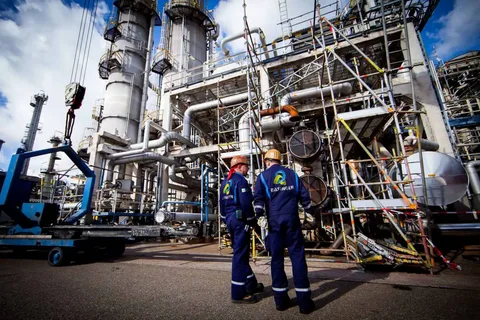
Industrial Installation

Benefits Of Professional Industrial Installation

Industrial installation requires expertise and precision to connect and configure electrical components. It ensures the required safety regulations are met, while still maintaining reliability and efficiency. Professional industrial installation benefits businesses in many ways, such as reducing risks of faulty equipment, offering cost-effective solutions, and providing insights for optimizing production needs. It also offers a maximum power output with long life spans of bearings and machines.

An experienced industrial installer guarantees minimal disruptions to operations or production. They have extensive knowledge of safety regulations, ensuring compliance with code requirements and avoiding future breakdowns or malfunctions. Their expertise increases reliability, saving money due to offsetting electricity use. They provide recommendations for the most beneficial solutions in the long run, including materials or electrical components known for their durability against shocks, vibrations, and heat. They advise on belt changes to reduce downtime during an operation and avoid potential financial losses from unexpected machine failure.

Engaging professional installers offers opportunities for career advancement through obtaining certifications needed to work within this field. Industrial installation offers many benefits for businesses to optimize their operations, ensure reliability and efficiency of machines, and potentially save on costs.

More details: What Is Meant By Industrial Installation

Ensuring Safety Through Proper Industrial Installation

Ensuring safety in the workplace can be a challenging task. Industrial installation, however, presents an effective solution. But what does “industrial installation” really mean? Essentially, it involves the implementation of safety systems and equipment intended to protect workers against potential risks of injuries or fatalities, specifically on an industrial or worksite. Through careful planning, equipment selection, and skilled execution by trained personnel, the aim is to reduce hazards.

For successful industrial installation, adherence to established safety regulations is crucial. This includes acquiring approvals from local authorities as well as following industry-specific standards. Often, the use of specialized tools and equipment may be required, such as ladders, scaffolding, or cranes, depending on the tasks at hand.

Apart from safety benefits, industrial installations can also contribute to improved productivity. By ensuring that tasks are undertaken safely and effectively, all activities can be completed in a timely and efficient manner. A secure workplace environment created through industrial installation helps minimize accidents, especially those resulting from negligence or inexperience, which could lead to costly damages or fatalities.

That said, it is vital to install weatherproof signs to inform workers about potential hazards in their immediate surroundings. These signs are designed to meet industry-specific standards and regulations, thus helping to protect employees against potential harm.

Taking proactive steps to protect workers through industrial installation ensures that they are safe while on the job. And peace of mind knowing everything possible has been done to protect employees from harm’s way is priceless.

Conclusion

“Industrial installation is a complex process that requires careful planning and execution to ensure success. Professional industrial installation offers many benefits for businesses. These include improved reliability and cost savings, safety in the workplace, and minimized risks of injuries or fatalities. Businesses can enjoy potential cost savings and improved customer experience resulting in better end product quality by understanding the definition of industrial installation, developing a plan for the work area, obtaining necessary certifications and documentation, selecting qualified personnel responsible for performing the installation, and training personnel to operate machines safely. Take action now to protect your business operations by exploring professional industrial installations.”

What Is Meant By Industrial Installation

0

Industrial installation is a process involving the installation and setup of industrial equipment, machinery, and systems. It is a crucial step in the successful operation and maintenance of any industrial facility. In this blog post, we will discuss what industrial installation is, the types of industrial installations, and the advantages of opting for one. With this information, you’ll be able to make an informed decision about whether industrial installation is the best option for your needs.

Visit this website: Bradley Schnickel

What Is Industrial Installation?

Industrial installations are essential for modern businesses. They allow efficient deployment of advanced industrial machinery and equipment. Understanding industrial installation principles ensures projects are completed on time, within budget, and with minimal disruption.

Industrial installation differs from traditional building construction with more complex components and processes. Quality control is vital, as mistakes can result in costly repairs and downtime. Consequently, understanding each type of installation ensures selecting the most suitable option.

Planning industrial installations requires consideration of all relevant components and materials. This includes power sources, structural framing systems, pipes, wiring, and other electrical equipment. Safety is also crucial; personnel must observe safety protocols to avoid potential hazards and injuries.

To succeed in industrial installation projects, confirm delivery schedules, organize physical space, assemble and inspect all parts, install necessary connections and software, conduct trials, address last-minute issues, document results, keep records up-to-date, meet safety standards and environmental compliance requirements.

Successful industrial installation maximizes efficiency while minimizing potential risks. With thoughtful planning and quality execution techniques, your new machine will be up-and-running quickly.

Types Of Industrial Installations

Industrial installations are crucial for efficient business operations, as they provide the necessary infrastructure such as temperature control, lighting, and security systems. Industrial installation involves setting up and connecting various equipment and components to create a functional system. Proper anchoring, connection to necessary utilities, calibration, and software updates are necessary for successful implementation. Following specific procedures, performing regular maintenance, inspections, and taking safety precautions are essential for extending the lifespan of machinery and ensuring safe operations. With these steps, your business can enjoy the benefits of effective industrial installation.

The Installation Process And Requirements For Industry

The installation of an industrial system requires extensive knowledge and attention to detail. This article discusses the components and equipment necessary for successful installation, site requirements, monitoring and testing procedures, legal obligations, and health and safety considerations. Key equipment includes CNC industrial lathes, mechanical completion activities, power output maximization, and installation qualification checks. Sites must meet size and access point criteria, and regular inspections and maintenance plans are crucial. Legal obligations include health and safety considerations, and maintenance plans are essential for ensuring maximum longevity of machinery.

Advantages Of Industrial Installation

Industrial installation is a process utilized across many industries to effectively install machinery and equipment. Its advantages are numerous, ranging from cost savings to enhanced safety, which can greatly benefit your business.

More details: What Is The Meaning Industrial Installation

Opting for industrial installation can ultimately save time and money by allowing for machinery to be installed versus labor being required. This process also serves to minimize belts slipping off from pulleys, resulting in further cost reductions associated with manual labor. Additionally, industrial installations can streamline processes through automation, consequently reducing downtime.

There are various benefits associated with industrial installations, making them an attractive option for businesses looking for more efficient operations. This includes installing commercial or industrial solar panel systems to offset some or all electricity usage, reducing electric bills and energy costs from day one. Furthermore, predictive maintenance systems can monitor and diagnose any potential issues that arise throughout the lifetime of your machinery or equipment, resulting in increased safety, automation of processes, and long-term reliability.

In conclusion, industrial installation offers numerous advantages over traditional manual labor methods, such as lower costs due to automation, increased safety, reduced downtime, streamlined processes, increased power output, minimized belts slipping off pulleys, the financial benefit of offsetting some or all electricity usage with solar panels, and predictive maintenance systems. This makes it a compelling option for businesses seeking to enhance efficiency within their operations.

To Wrap Up

Industrial installation is an important process for businesses that want to increase efficiency and safety in their operations. From cost savings to enhanced safety, industrial installation offers many advantages over traditional manual labor methods. Proper planning, execution, and maintenance of installations can ensure successful outcomes with minimal disruption. Investing in quality industrial installation services is a great way to protect your investments and further improve the operational performance of your business. Make sure you are aware of all the steps involved in setting up an industrial system and take advantage of the benefits that it can bring to your business today!

What Is The Meaning Industrial Installation

0

Industrial installation involves the specialized setup and installation of industrial equipment and systems. This complex and intricate process requires a high level of expertise, skill, and knowledge. In this blog post, we will explore what industrial installation means, the advantages it offers, and the essential factors to consider before undertaking an industrial installation project. By the end, you will have a thorough understanding of industrial installation and how it can benefit your business.

Visit this website: Bradley Schnickel

What Does Industrial Installation Mean?

Industrial installation involves the process of setting up, configuring, and maintaining machines and equipment in an industrial or business environment. It requires assembling parts and components, performing tests and requires knowledge of multiple disciplines such as electricity, mechanics, automation, robotics, pneumatics, hydraulics engineering, and programming languages.

The installation involves tasks such as coordinating service calls, inspecting work areas, troubleshooting issues, updating machine settings, and running tests. There are various types of industrial installations such as electrical installations, mechanical systems, automation systems, pneumatic systems, and hydraulic systems, each with its unique requirements.

There are numerous benefits that come with industrial installation, which include increased productivity, improved safety levels, cost savings, and more efficient use of resources. However, there are also challenges such as ensuring proper coordination between personnel, following safety protocols, and selecting appropriate software programs.

Skilled personnel who understand relevant regulations and standards concerning industrial installation are crucial to ensure the success of the project. While there is no universal solution to completing an efficient industrial installation process, having the right personnel can help ensure success.

 Industrial Installation

Advantages Of Industrial Installation

Industrial installation involves installing, calibrating, and maintaining complex machinery and equipment, which is widely used across industries to boost productivity and efficiency. This process brings several benefits, including decreased labor costs and enhanced safety measures, making it an ideal option for various organizations. Moreover, it assists in achieving production goals within quality parameters by ensuring that all systems are functioning correctly. In this article, we will delve into the diverse benefits of industrial installation, such as remote monitoring capabilities, which enable real-time tracking of changes or malfunctions to prevent further damage or downtime.

Proper installation and maintenance guarantee consistent, reliable performance, resulting in immediate and long-term savings. Other benefits include efficient connection between components maximizing power output, longer lifespan for bearings due to correct lubrication processes, minimized wear-and-tear, accurate calibration during CNC installation, and added safety features that protect personnel. Additionally, successful industrial installation reduces environmental impact, conserves resources, and saves energy by preventing any downtime or issues caused by faulty wiring or incorrect installation. Hence, it is crucial to engage experienced professionals who can handle various machinery types to achieve optimal efficiency and long-term success.

How Industrial Installation Enhances Efficiency And Safety

Industrial installation involves the setup and location of machinery, equipment, and tools needed to produce a product. It requires systematic labor and habitual employment to manufacture or process products, including those where agricultural or other products are habitually processed or stored for others. Proper installation of machinery and equipment is necessary to increase efficiency while reducing potential risks. Before installing any new machine, comprehensive steps must be followed, including inspecting components, testing functional elements, securing wiring connections, and verifying correct orientation.

More details: Can Industrial Engineers Work In Construction

Organizations should stay aware of current trends in industrial installation practices to implement safety measures and risk reduction strategies. Industrial installations increase efficiency and reduce risk, making them essential for producing quality goods within time frames and ensuring optimal safety standards.

Important Factors To Consider For Industrial Installation

Industrial installation is a complex process that requires knowledge and experience to ensure success. Understanding the nuances of industrial installation is crucial for any business that wants to utilize this type of technology. Correct installation is paramount for safety and efficiency considerations. In this section, we will explore different types of industrial installations, their advantages and drawbacks, and important factors to consider when planning your own installation.

There are many different types of industrial installations available, depending on the specific needs of your business. Professional and certified installers can help you choose the right one or even custom design an installation specifically for you. No matter what type of system you decide on, detailed planning is essential for successful results. Quality control must be employed throughout the entire process from start to finish to ensure long-lasting performance from your industrial equipment.

For example, when installing a CNC industrial lathe machine, proper steps must be taken to ensure safe operation, such as verifying that all electrical components are working correctly, checking if all bearings, pulleys, and belts are in proper working condition, analyzing power output specifications, testing control panel design functionality, inspecting the overall installation for potential risks or problems, and re-testing the machine after complete assembly. All these steps should be performed with meticulous attention by certified installers before starting operations with the machine itself.

Once everything has been checked off on the list and quality standards have been met, only then can businesses begin operating safely, knowing that their machines have been properly installed according to manufacturer instructions and industry regulations, thereby keeping employees safe while maximizing productivity levels in their workplace environment.

In Short

Industrial installation is a complex and intricate process that requires specialized knowledge and skill. It involves setting up, configuring, and maintaining industrial equipment or systems to achieve optimal efficiency. There are various advantages to industrial installation, including increased productivity, improved safety levels, cost savings, and more efficient use of resources. It is important to understand the nuances of industrial installation before undertaking a project to ensure its success. This includes selecting the right personnel for the job who understand relevant regulations and standards concerning industrial installation, as well as performing detailed planning throughout the entire process from start to finish for guaranteed long-term performance from your equipment.